Wednesday, 9 April 2025

Expedition 73 Crew Launches to International Space Station


A Soyuz rocket launches to the International Space Station with Expedition 73 crew members aboard, Tuesday, April 8, 2025, at the Baikonur Cosmodrome in Kazakhstan. via NASA https://ift.tt/tUCGiAd
Tuesday, 8 April 2025

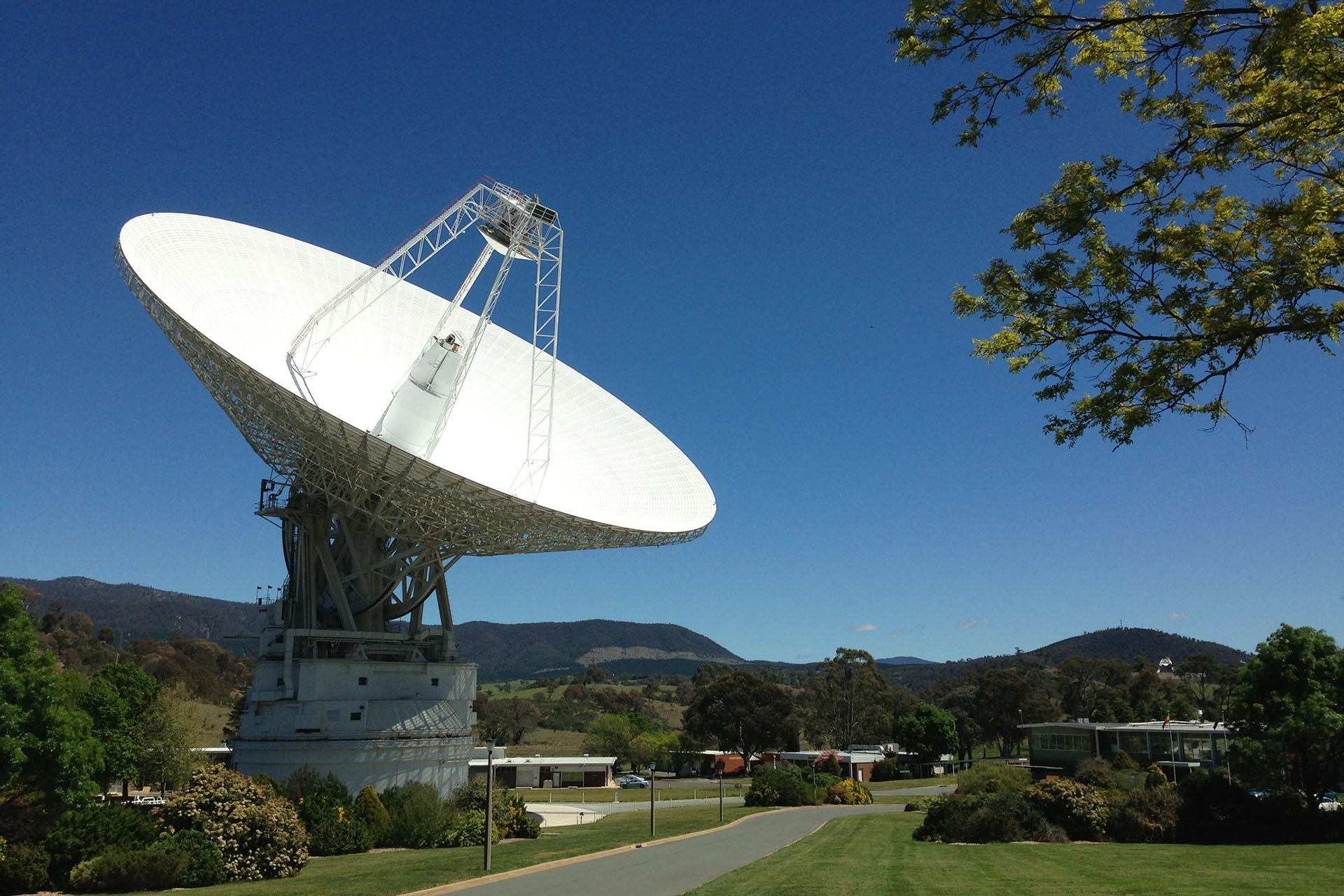
Sixty Years in Canberra: NASA’s Deep Space Network


This March 4, 2020, image shows Deep Space Station 43, a 70-meter-wide (230-feet-wide) radio antenna at NASA’s Deep Space Network facility in Canberra, Australia. The facility celebrated its 60th anniversary on March 19, 2025, while also breaking ground on a new radio antenna. The pair of achievements are major milestones for the network, which communicates with spacecraft all over the solar system using giant dish antennas located at three complexes around the globe. via NASA https://ift.tt/8Or5dsy

Monday, 7 April 2025

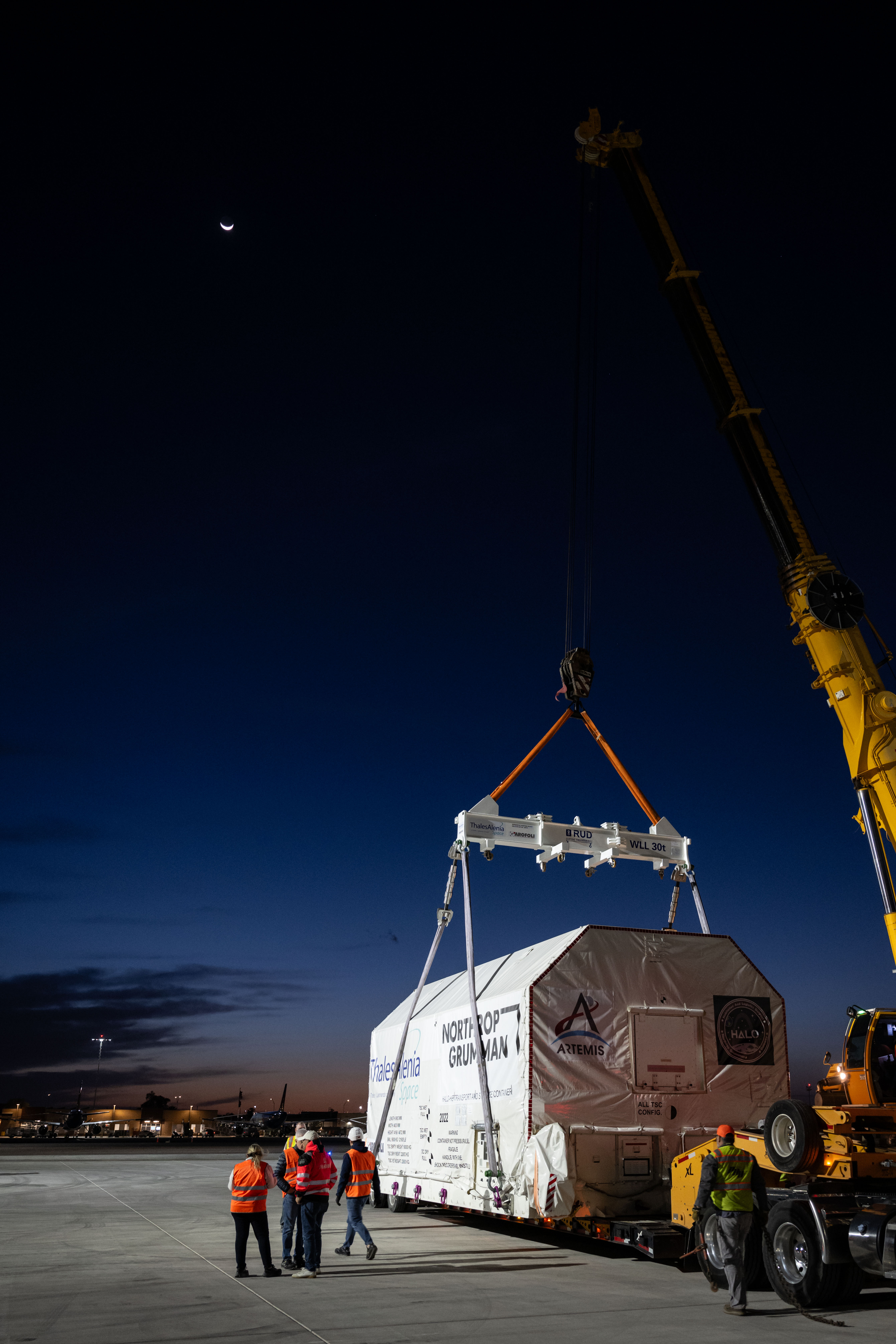
Gateway’s First Habitation Module Arrives Stateside


From the mountains of Turin to the deserts of Arizona, a core element of Gateway, humanity’s first lunar space station, is now one step closer to the Moon. via NASA https://ift.tt/TmebsEa

Friday, 4 April 2025

NASA Astronaut Jonny Kim


NASA astronaut Jonny Kim poses for a portrait while wearing a spacesuit on July 17, 2024. In his first mission, Kim will serve as a flight engineer during Expedition 72/73 on the International Space Station. via NASA https://ift.tt/XJz4Sd7

Thursday, 3 April 2025

Artemis II Insignia Honors All


The four astronauts who will be the first to fly to the Moon under NASA's Artemis campaign – NASA astronauts Reid Wiseman, Victor Glover, and Christina Koch, and CSA (Canadian Space Agency) astronaut Jeremy Hansen – have designed an emblem to represent their mission that references both their distant destination and the home they will return to. via NASA https://ift.tt/O7Upeit

Wednesday, 2 April 2025

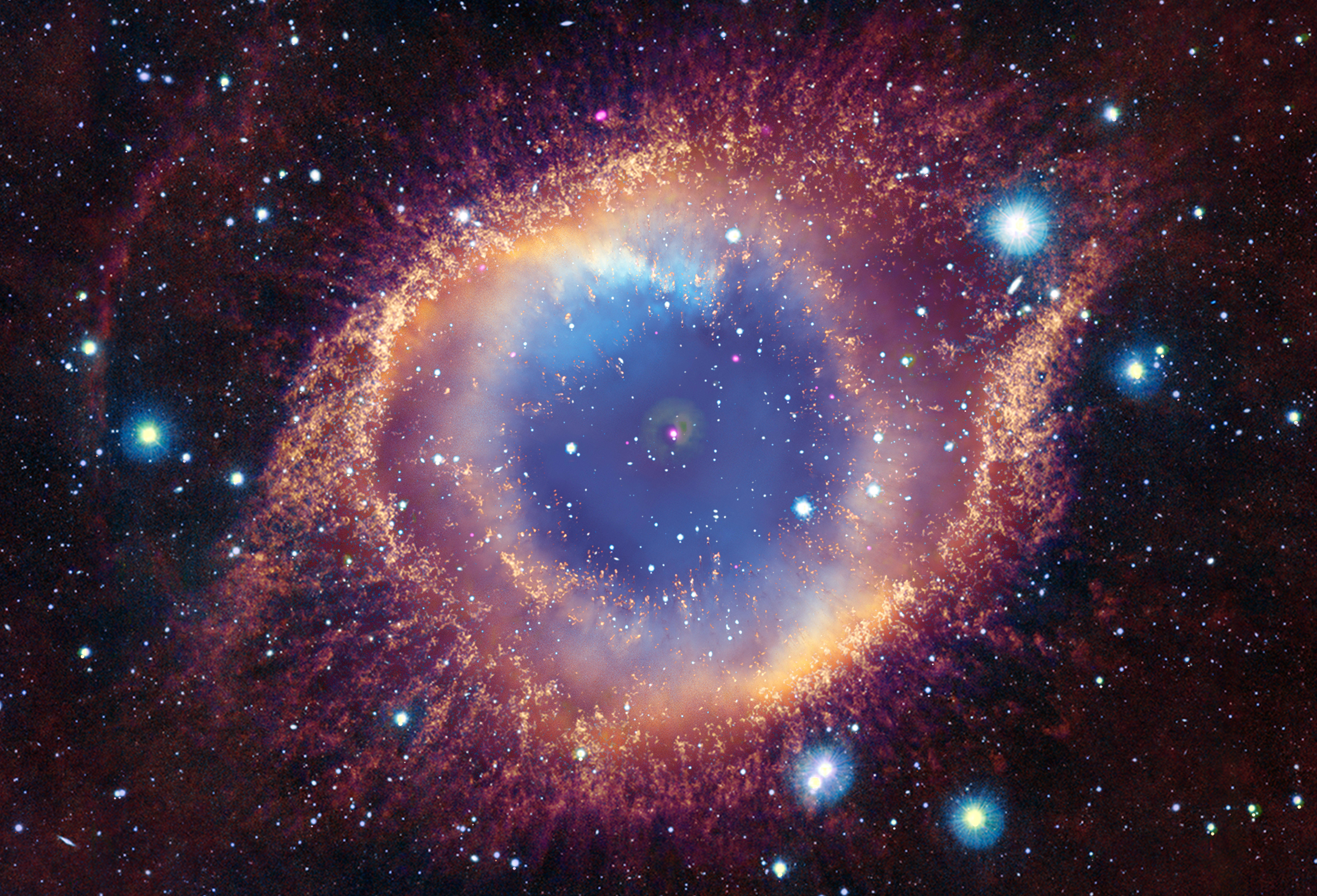
X-ray Clues Reveal Destroyed Planet


In about 5 billion years, our Sun will run out of fuel and expand, possibly engulfing Earth. These end stages of a star’s life can be utterly beautiful – as is the case with this planetary nebula called the Helix Nebula. Astronomers study these objects by looking at all kinds of light. This images show X-rays from NASA's Chandra X-ray Observatory (magenta), optical light data from NASA's Hubble Space Telescope (orange, light blue), infrared data from the European Southern Observatory VISTA telescope (gold, dark blue), and ultraviolet data from GALEX (purple) of the Helix Nebula. via NASA https://ift.tt/8p2Cx6T

Tuesday, 1 April 2025

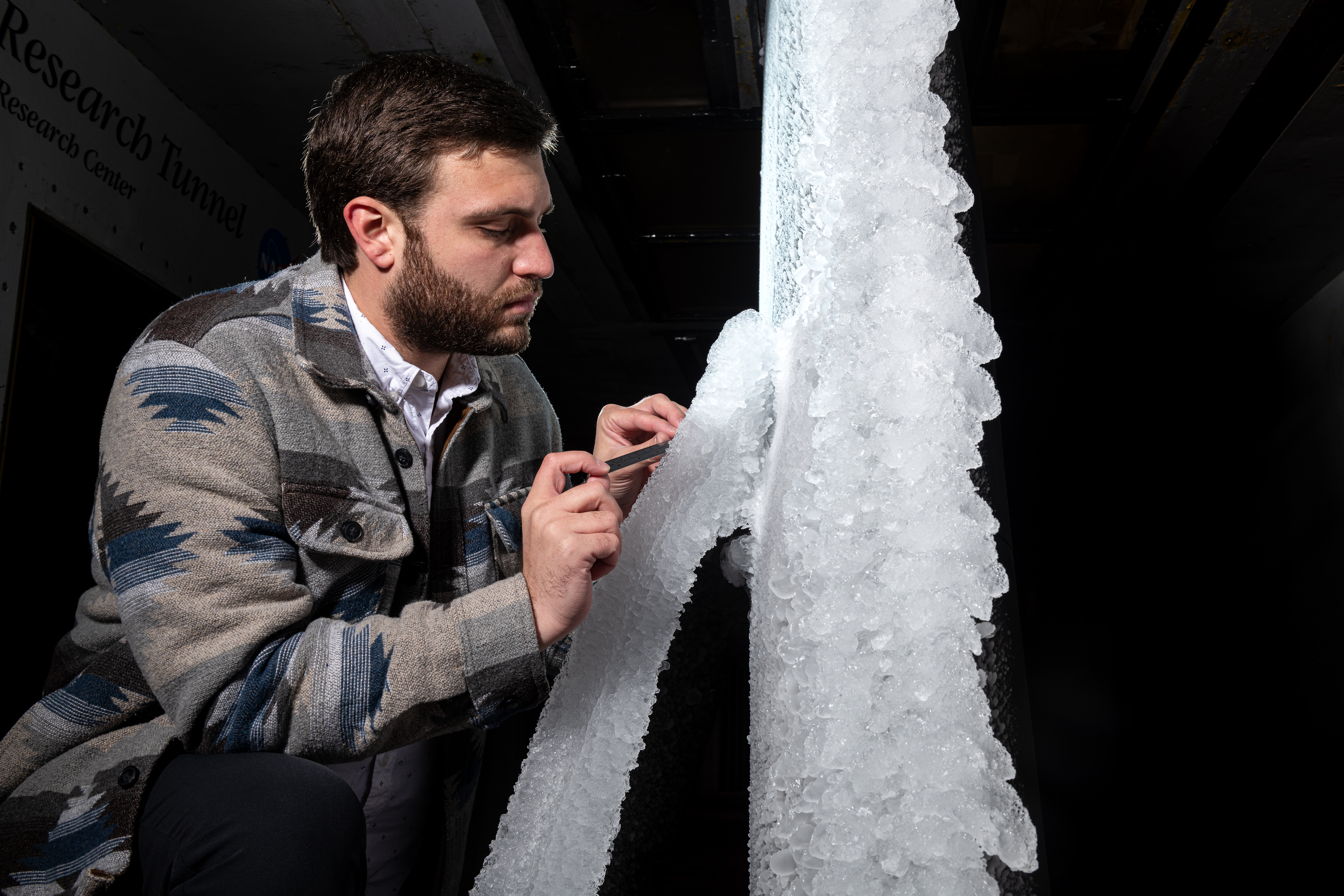
Studying Ice for the Future of Flight


Thomas Ozoroski, a researcher at NASA’s Glenn Research Center in Cleveland, takes icing accretion measurements in October 2024 as part of transonic truss-braced wing concept research. Researchers at NASA Glenn conducted another test campaign in March 2025. via NASA https://ift.tt/2azC8eq

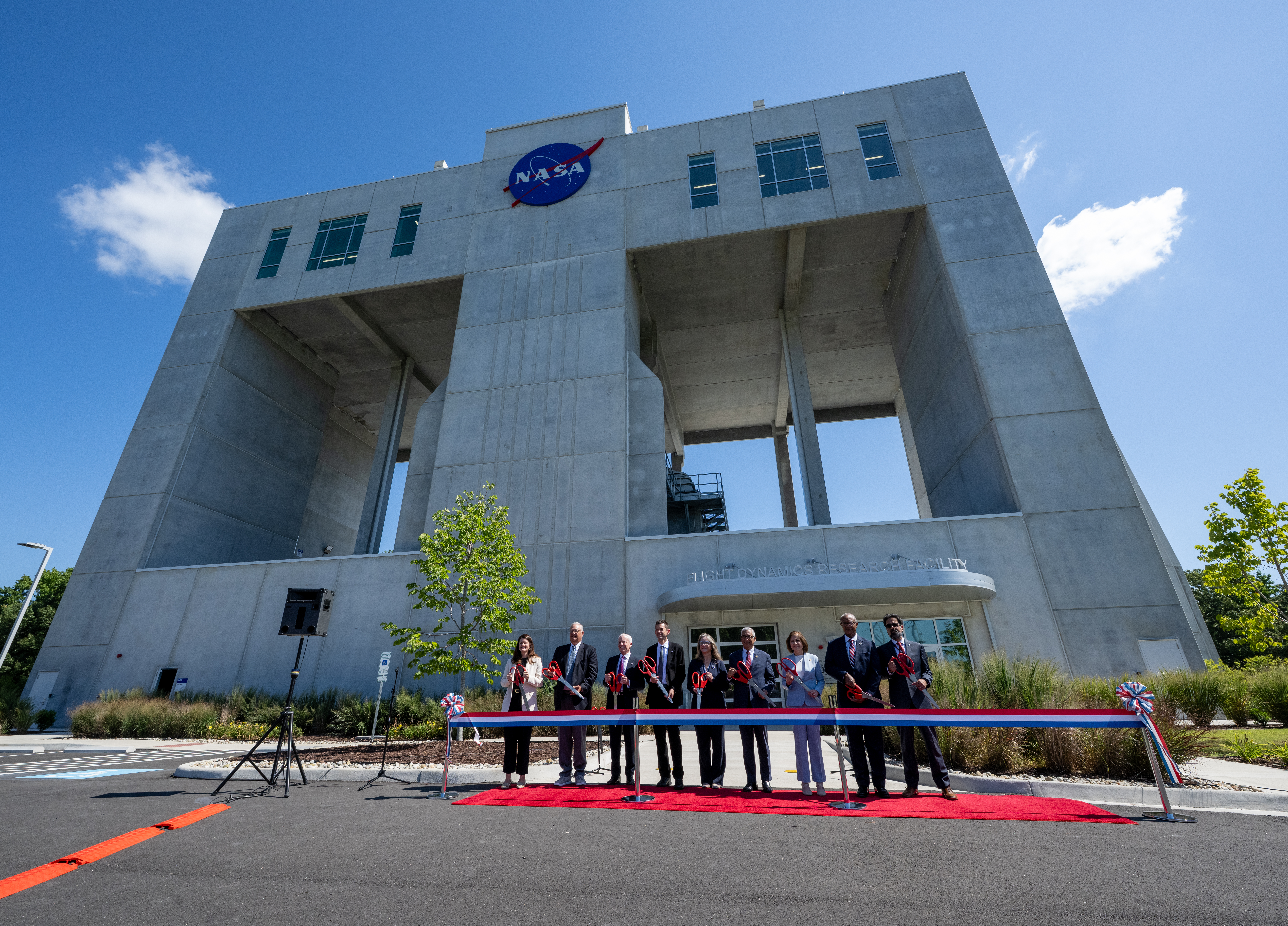
NASA's Newest Wind Tunnel Opens at NASA Langley

NASA opened its newest wind tunnel, the Flight Dynamics Research Facility at NASA’s Langley Research Center in Hampton, Virginia, on Friday,...