Wednesday, 3 July 2024

Orion on the Rise


Technicians used a 30-ton crane to lift NASA’s Orion spacecraft on Friday, June 28, 2024, from the Final Assembly and System Testing cell to the altitude chamber inside the Neil A. Armstrong Operations and Checkout building at NASA’s Kennedy Space Center in Florida. The spacecraft, which will be used for the Artemis II mission to orbit the Moon, underwent leak checks and end-to-end performance verification of the vehicle’s subsystems. via NASA https://ift.tt/d8VBXIO

Tuesday, 2 July 2024

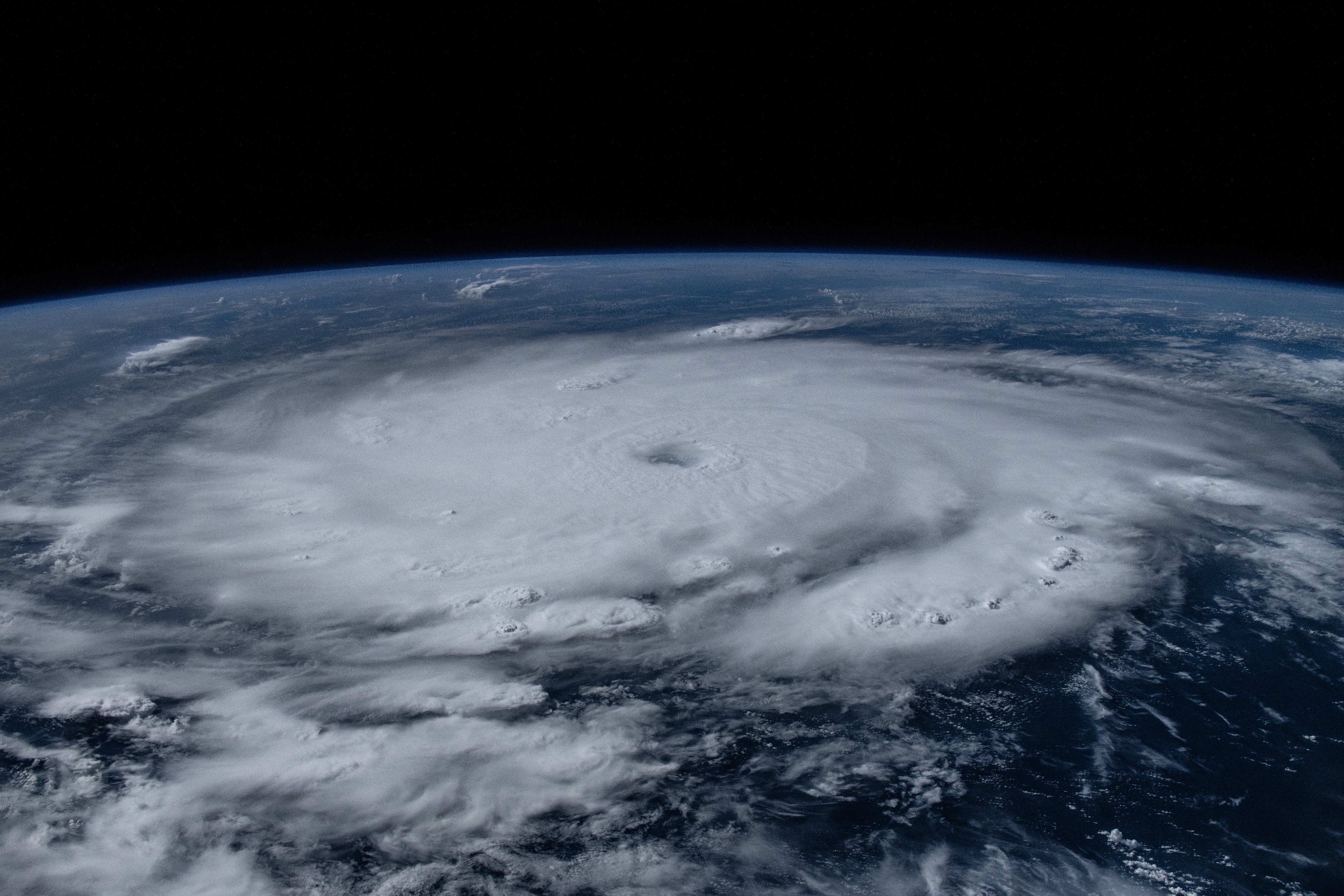
Studying Hurricane Beryl from Space


NASA astronaut Matthew Dominick captured this image of Hurricane Beryl in the Caribbean on July 1, 2024, while aboard the International Space Station, and posted it to X. The Category 4 hurricane had winds of about 130 mph (215 kph). via NASA https://ift.tt/x9bHg8u

Monday, 1 July 2024

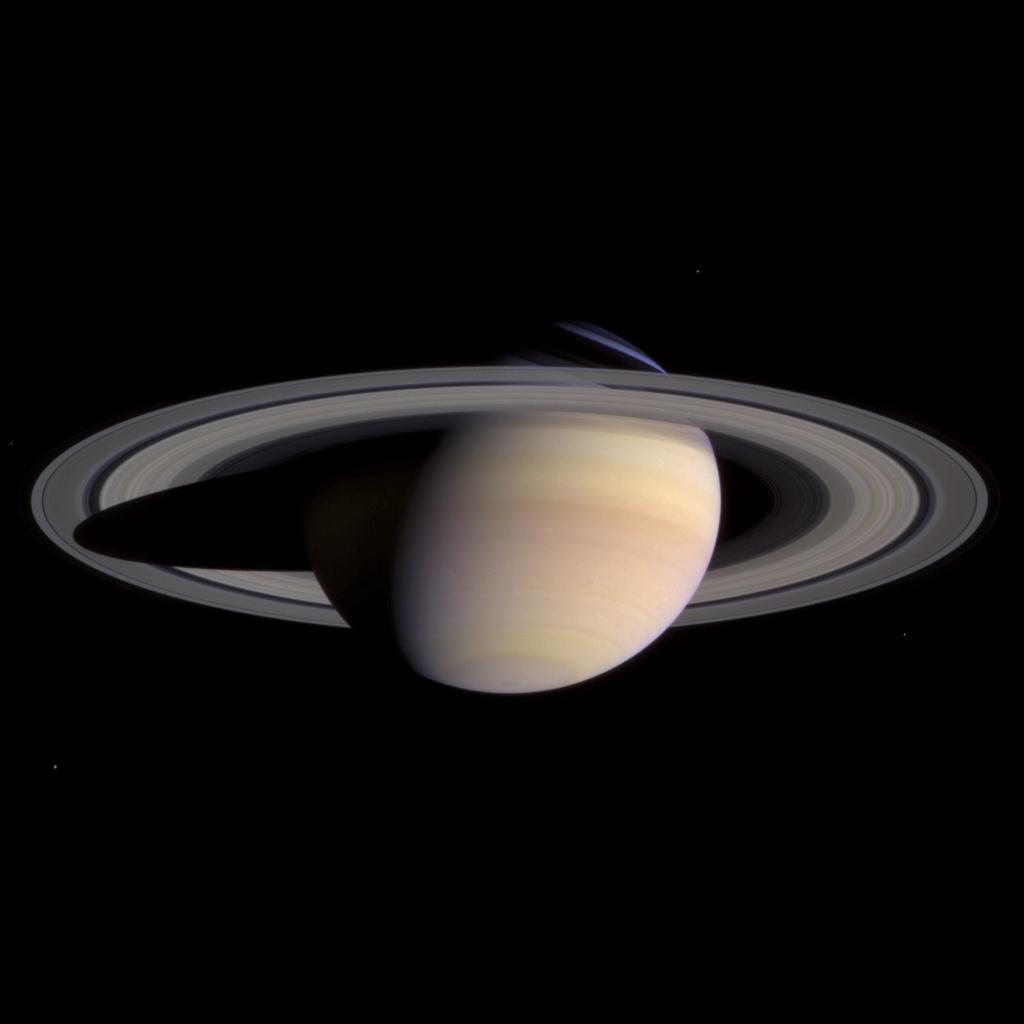
Cassini Sees Saturn


Saturn and its rings completely fill the field of view of Cassini's narrow angle camera in this natural color image taken on March 27, 2004. This was the last single "eyeful" of Saturn and its rings achievable with the narrow angle camera on approach to the planet. via NASA https://ift.tt/IBhVdzW

Friday, 28 June 2024

The Maze is Afoot


This labyrinth – with a silhouette of the fictional detective Sherlock Holmes at its center – is used as a calibration target for the cameras and laser that are part of SHERLOC (Scanning Habitable Environments with Raman & Luminescence for Organics and Chemicals), one of the instruments aboard NASA's Perseverance Mars rover. The image was captured by the Autofocus and Context Imager on SHERLOC on May 11, 2024, the 1,147th day, or sol, of the mission, as the rover team sought to confirm it had successfully addressed an issue with a stuck lens cover. via NASA https://ift.tt/h4tS3Ca

Thursday, 27 June 2024

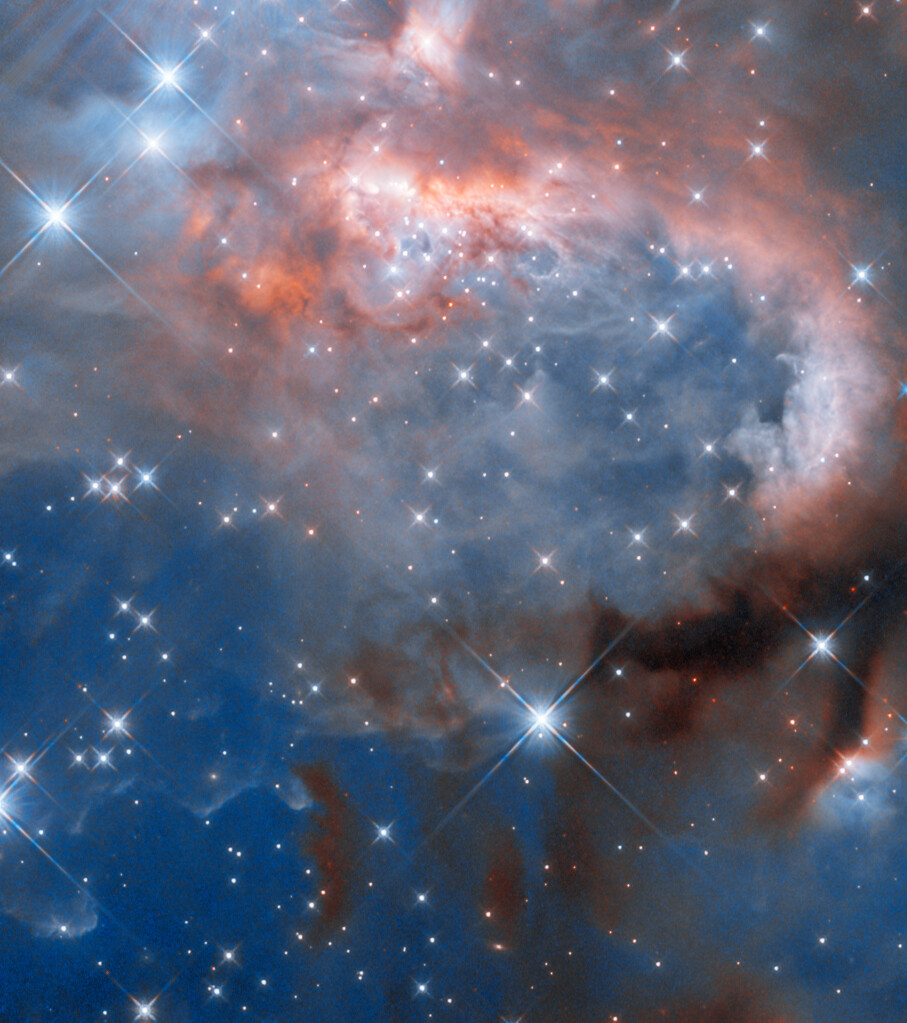
Hubble Captures Infant Stars Transforming a Nebula


Named RCW 7, the nebula is located just over 5300 light-years from Earth in the constellation Puppis. Nebulae are areas of space that are rich in the raw material needed to form new stars. Under the influence of gravity, parts of these molecular clouds collapse until they coalesce into protostars, surrounded by spinning discs of leftover gas and dust. In the case of RCW 7, the protostars forming here are particularly massive, giving off strongly ionising radiation and fierce stellar winds that have transformed it into what is known as a H II region. The ultraviolet radiation from the massive protostars excites the hydrogen, causing it to emit light and giving this nebula its soft pinkish glow. Here Hubble is studying a particular massive protostellar binary named IRAS 07299-1651, still in its glowing cocoon of gas in the curling clouds towards the top of the nebula. To expose this star and its siblings, this image was captured using the Wide Field Camera 3 in near-infrared light. The massive protostars here are brightest in ultraviolet light, but they emit plenty of infrared light which can pass through much of the gas and dust around them and be seen by Hubble. via NASA https://ift.tt/sW6cFbA

Wednesday, 26 June 2024

NOAA’s GOES-U Satellite Launches


A SpaceX Falcon Heavy rocket carrying the National Oceanic and Atmospheric Administration GOES-U (Geostationary Operational Environmental Satellite U) lifts off from Launch Complex 39A at NASA’s Kennedy Space Center in Florida on Tuesday, June 25, 2024. The GOES-U satellite is the final satellite in the GOES-R series, which serves a critical role in providing continuous coverage of the Western Hemisphere, including monitoring tropical systems in the eastern Pacific and Atlantic oceans. via NASA https://ift.tt/vV5RNoP

Tuesday, 25 June 2024

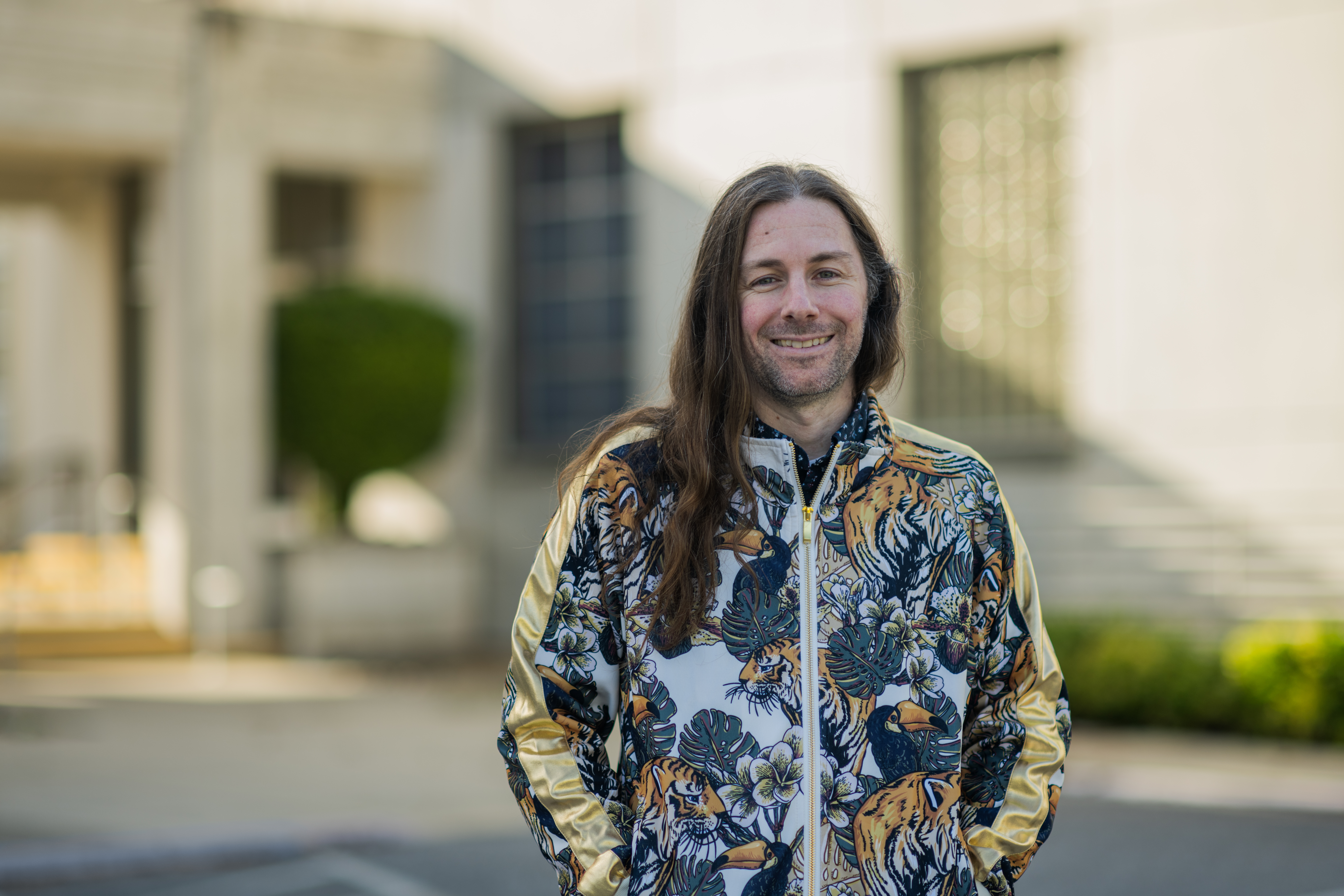
Human Factors Researcher Garrett Sadler


"You know, there's the whole impostor syndrome thing, and I didn’t feel like I was qualified to be here because I didn't have some sort of traditional path or because my educational background looks different than that of most of my colleagues. But I'm now at a place where I've come to understand that's true for everyone." – Garrett Sadler, Human Factors Researcher, NASA’s Ames Research Center via NASA https://ift.tt/emlZ0gy

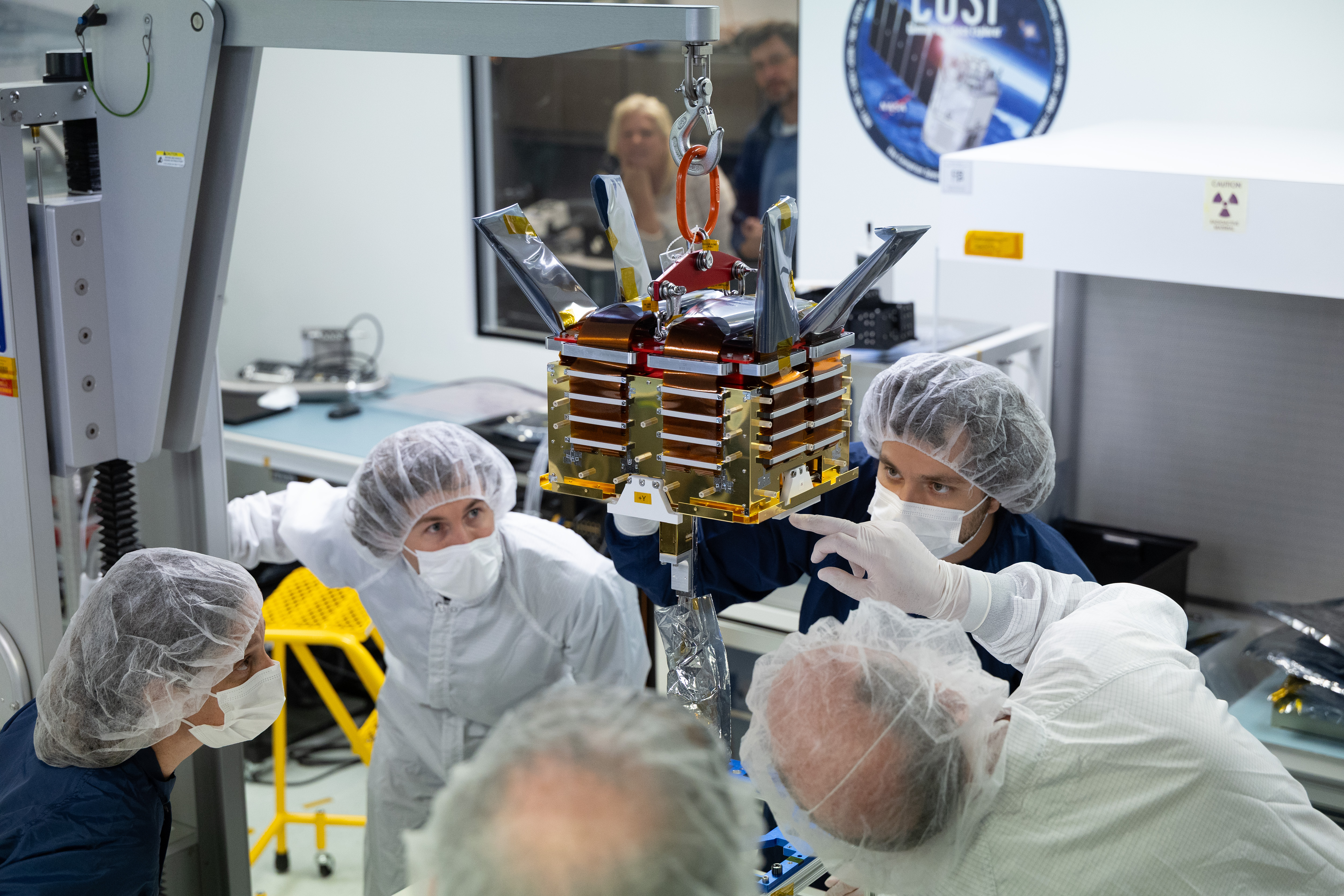
COSI Telescope Comes Together

UC Berkeley engineers and managers watch as the COSI (Compton Spectrometer and Imager) detector assembly is slowly raised from a table in th...