Monday, 24 June 2024

On the GOES


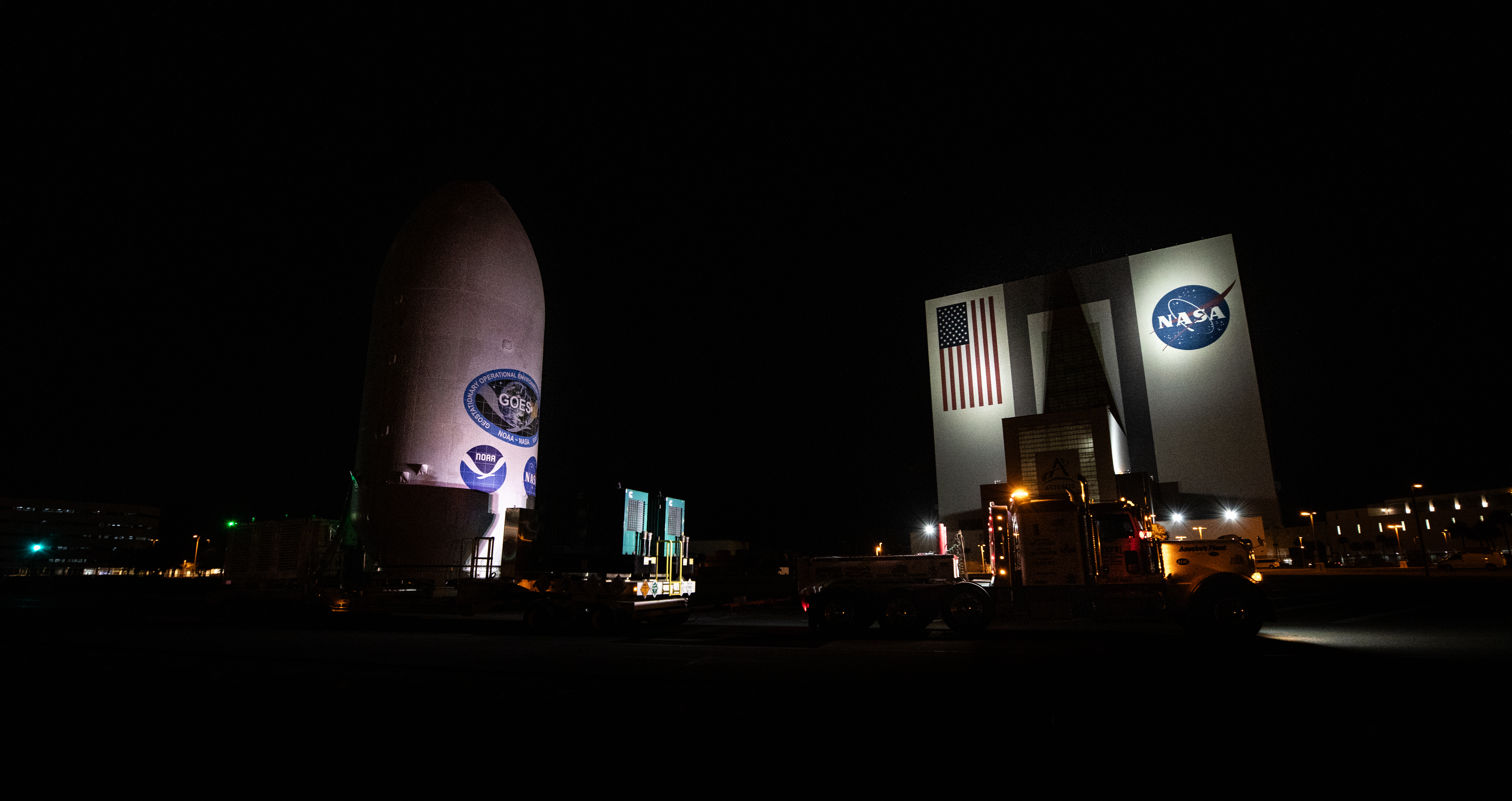
Crews transport NOAA’s (National Oceanic and Atmospheric Administration) Geostationary Operational Environmental Satellite (GOES-U) from the Astrotech Space Operations facility to the SpaceX hangar at Launch Complex 39A at NASA’s Kennedy Space Center in Florida beginning on Friday, June 14, 2024, with the operation finishing early Saturday, June 15, 2024. The fourth and final weather-observing and environmental monitoring satellite in NOAA’s GOES-R Series will assist meteorologists in providing advanced weather forecasting and warning capabilities. The two-hour window for liftoff opens 5:16 p.m. EDT Tuesday, June 25, aboard a SpaceX Falcon Heavy rocket from Launch Complex 39A at NASA’s Kennedy Space Center in Florida. via NASA https://ift.tt/kw9vK1Z

Friday, 21 June 2024

HuskyWorks During Rover Testing


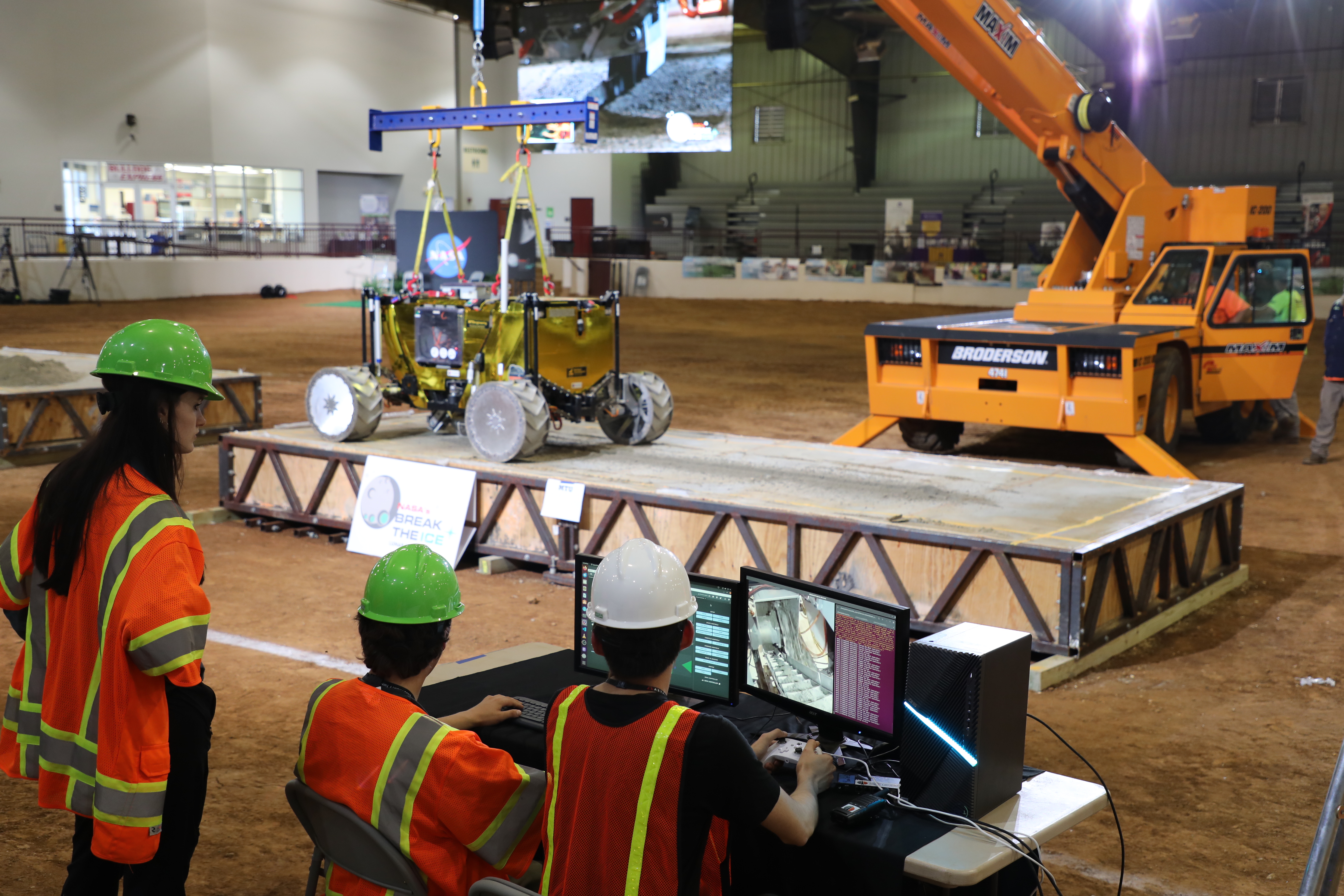
“HuskyWorks,” a team from Michigan Technological University’s Planetary Surface Technology Development Lab, tests the excavation tools of a robot on a concrete slab, held by a gravity-offloading crane on June 12 at NASA’s Break the Ice Lunar Challenge at Alabama A&M’s Agribition Center in Huntsville, Alabama. Led by Professor Paul van Susante, the team aimed to mimic the conditions of the lunar South Pole, winning an invitation to use the thermal vacuum chambers at NASA’s Marshall Space Flight Center to continue robotic testing. via NASA https://ift.tt/qT5bdt8

Thursday, 20 June 2024

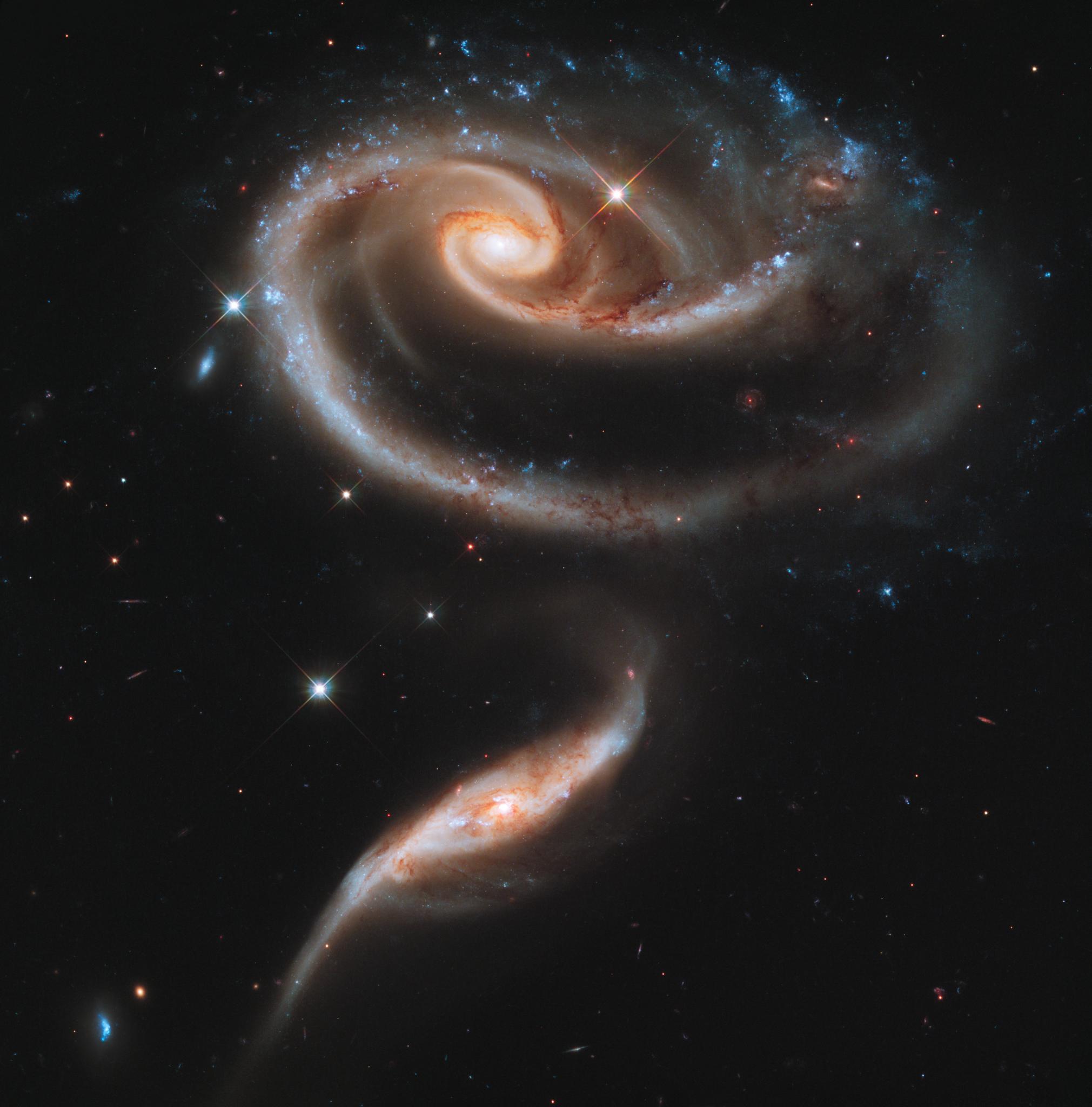
NASA's Hubble Celebrates 21st Anniversary with "Rose" of Galaxies


To celebrate the 21st anniversary of the Hubble Space Telescope's deployment into space, astronomers at the Space Telescope Science Institute in Baltimore, Md., pointed Hubble's eye at an especially photogenic pair of interacting galaxies called Arp 273. The larger of the spiral galaxies, known as UGC 1810, has a disk that is distorted into a rose-like shape by the gravitational tidal pull of the companion galaxy below it, known as UGC 1813. This image is a composite of Hubble Wide Field Camera 3 data taken on December 17, 2010, with three separate filters that allow a broad range of wavelengths covering the ultraviolet, blue, and red portions of the spectrum. via NASA https://ift.tt/E39mFwp

Tuesday, 18 June 2024

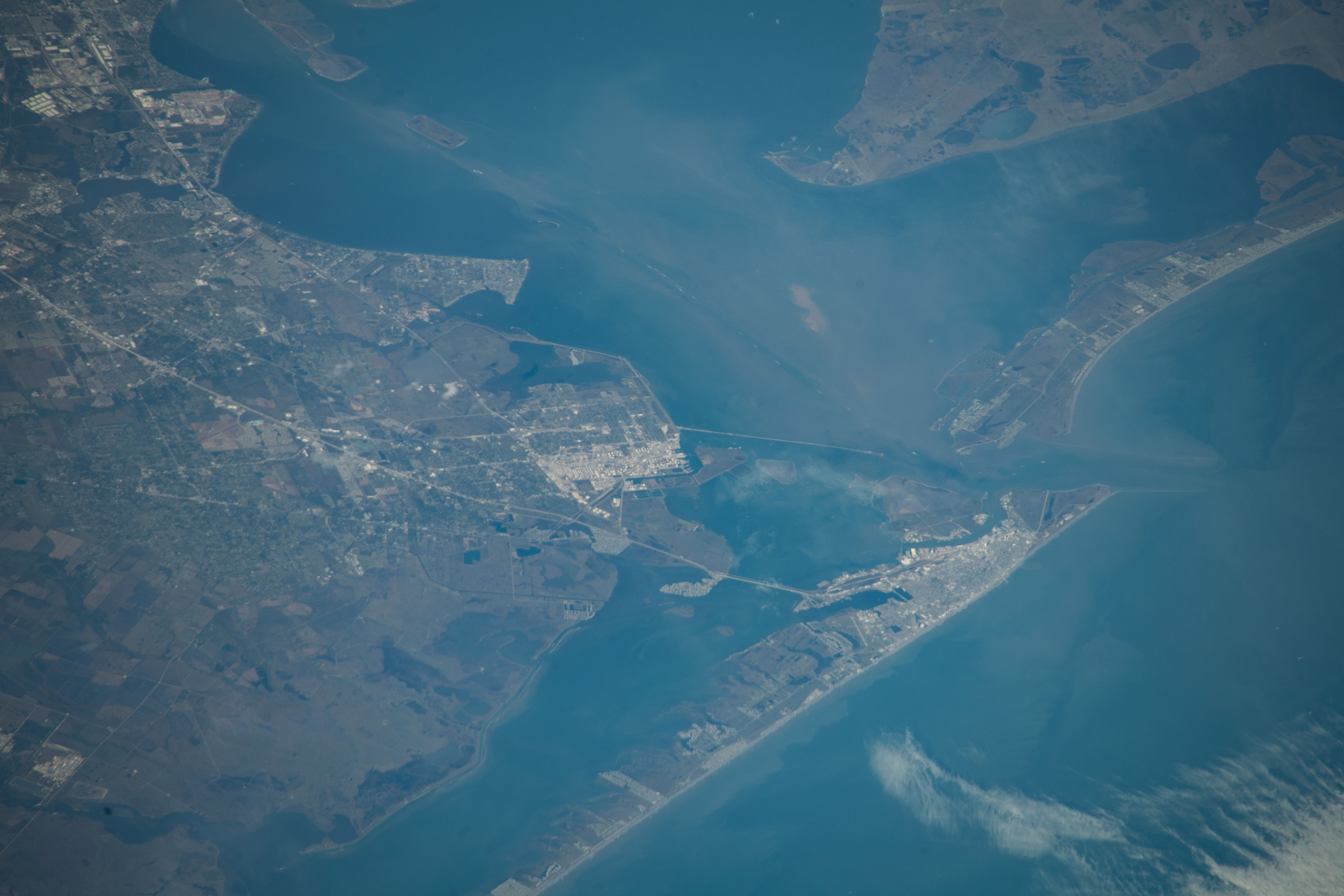
Celebrating Juneteenth


This image of Galveston was taken on Nov. 23, 2022, from the International Space Station as it orbited 224 miles above Earth. While President Abraham Lincoln issued the Emancipation Proclamation in 1863, word that enslaved people were free did not reach Galveston until well into 1865. When Union troops arrived that year to share the news, spontaneous celebrations broke out in African American churches, homes, and other gathering places. As years passed, the picnics, barbecues, parades, and other celebrations that sprang up to commemorate June 19th became more formalized as freed men and women purchased land, or “emancipation grounds,” to hold annual Juneteenth celebrations. via NASA https://ift.tt/HQSxJPF

Monday, 17 June 2024

Management and Program Analyst Mallory Carbon


“I feel that my larger purpose at NASA, which I've felt since I came on as an intern, is to leave NASA a better place than I found it." — Mallory Carbon, Management and Program Analyst, NASA Headquarters via NASA https://ift.tt/jlsz9NY

Friday, 14 June 2024

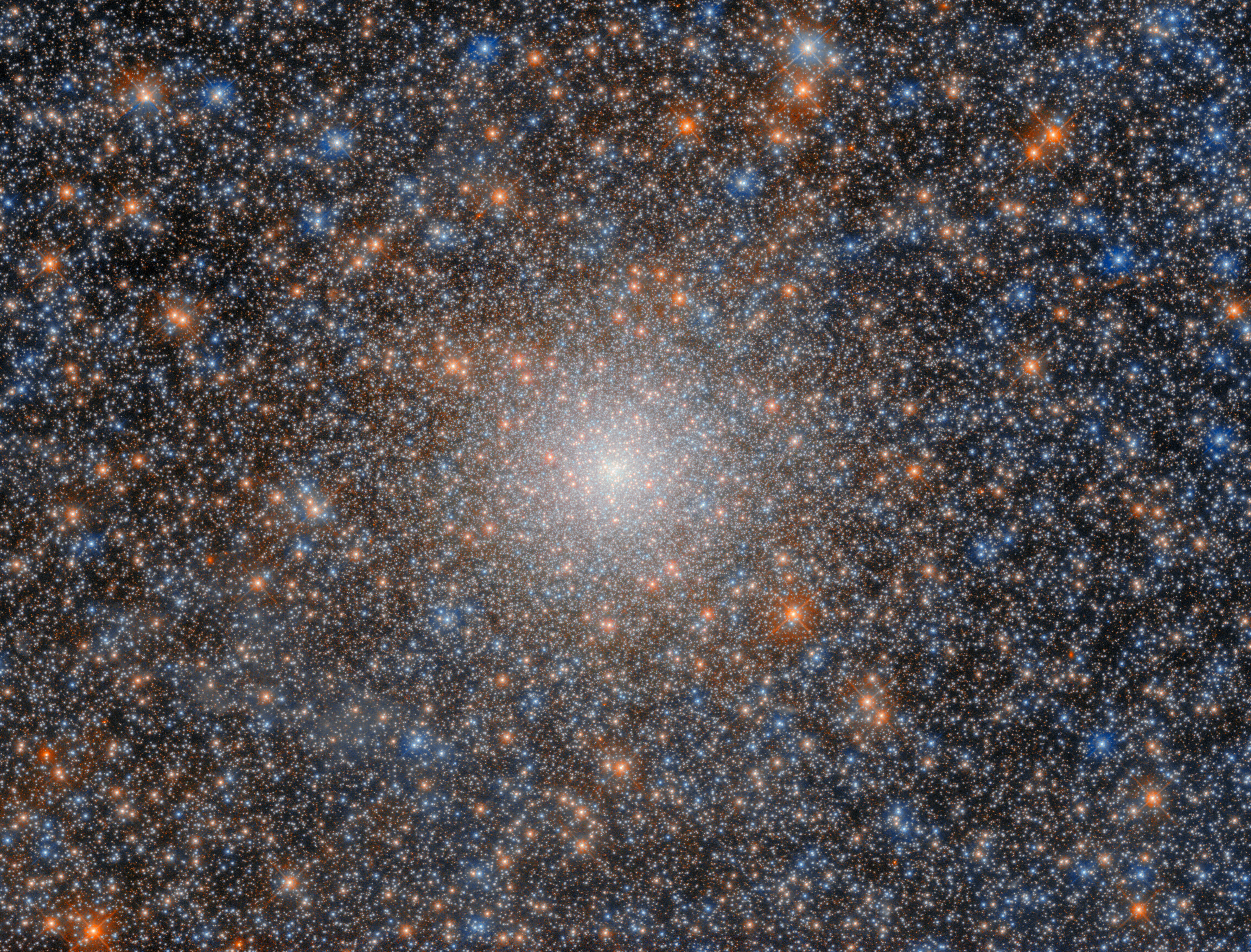
Hubble Captures a Cosmic Fossil


This NASA/ESA Hubble Space Telescope image features the globular cluster NGC 2005. It’s not an unusual globular cluster in and of itself, but it is a peculiarity when compared to its surroundings. NGC 2005 is located about 750 light-years from the heart of the Large Magellanic Cloud (LMC), which is the Milky Way’s largest satellite galaxy some 162,000 light-years from Earth. via NASA https://ift.tt/5K0jYTF

Thursday, 13 June 2024

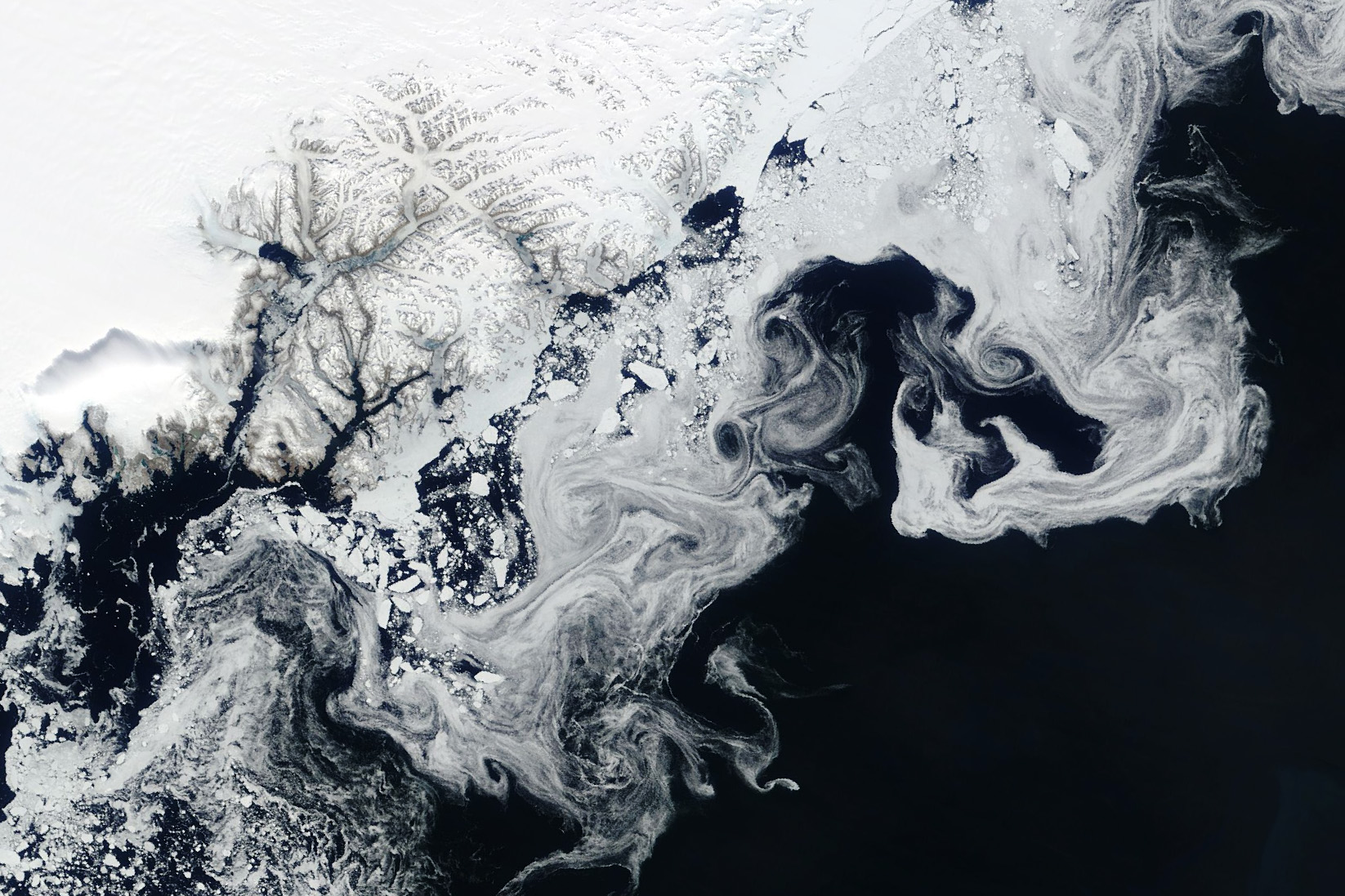
Sea Ice Swirls


Floating fragments of sea ice spun into intricate patterns as ocean currents carried them south along Greenland’s east coast in spring 2024. The MODIS (Moderate Resolution Imaging Spectroradiometer) on NASA’s Terra satellite captured a moment of this dizzying journey on June 4, 2024. via NASA https://ift.tt/FaisWCI

COSI Telescope Comes Together

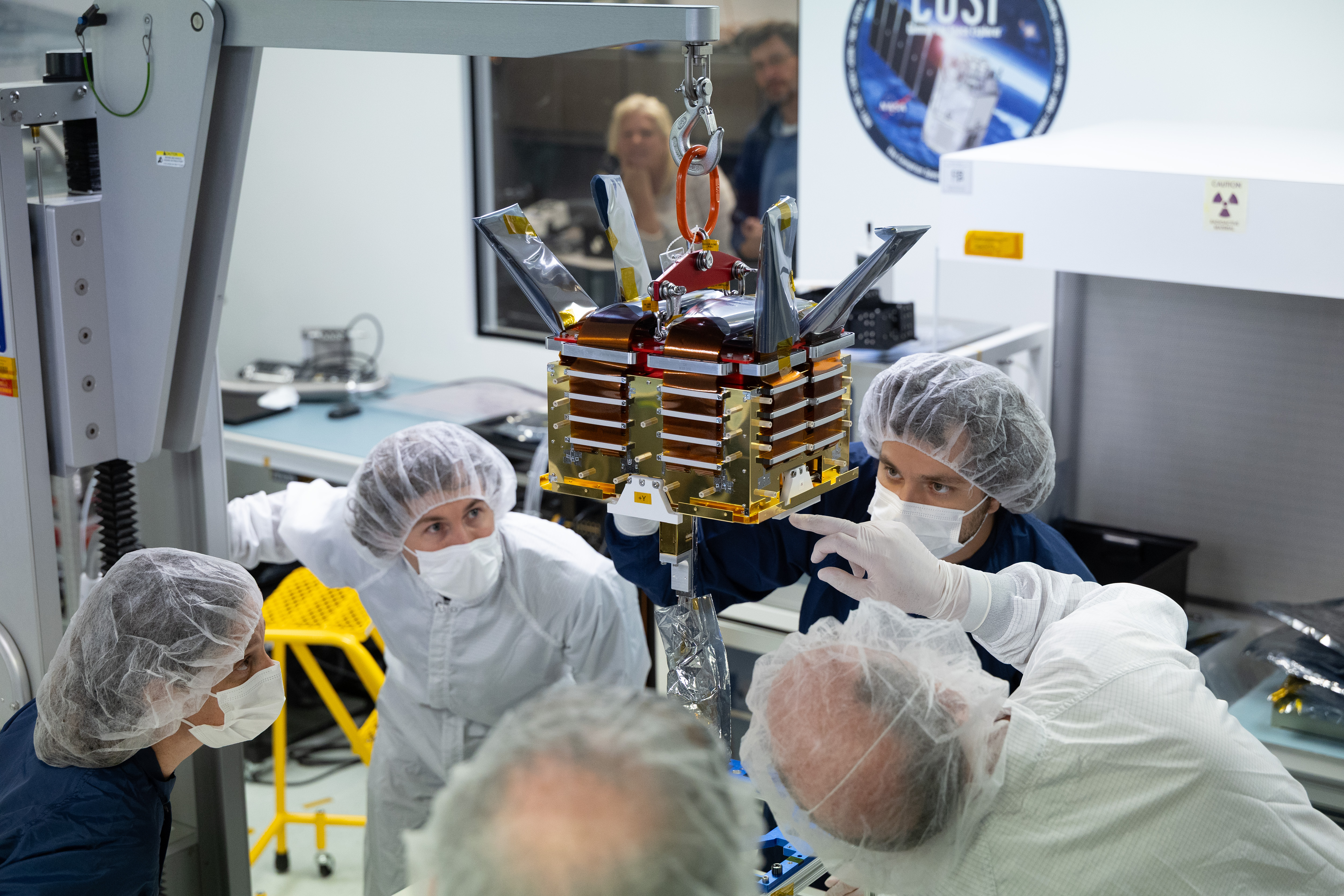
UC Berkeley engineers and managers watch as the COSI (Compton Spectrometer and Imager) detector assembly is slowly raised from a table in th...