Tuesday, 23 April 2024

Hubble Spots the Little Dumbbell Nebula


In celebration of the 34th anniversary of the launch of NASA’s Hubble Space Telescope, astronomers took a snapshot of the Little Dumbbell Nebula, also known as Messier 76, or M76, located 3,400 light-years away in the northern circumpolar constellation Perseus. The name 'Little Dumbbell' comes from its shape that is a two-lobed structure of colorful, mottled, glowing gases resembling a balloon that’s been pinched around a middle waist. Like an inflating balloon, the lobes are expanding into space from a dying star seen as a white dot in the center. Blistering ultraviolet radiation from the super-hot star is causing the gases to glow. The red color is from nitrogen, and blue is from oxygen. via NASA https://ift.tt/yrQkblf

Monday, 22 April 2024

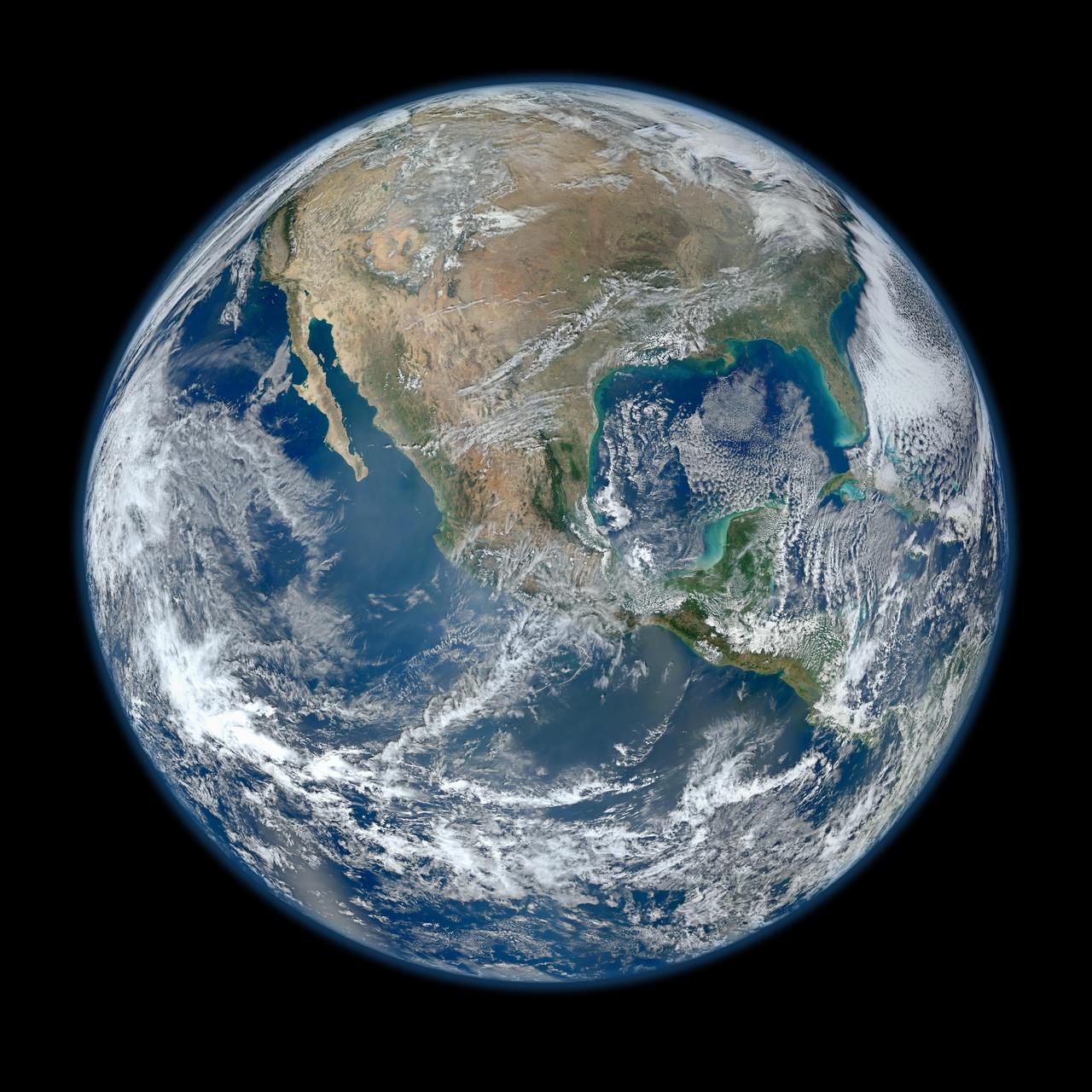
Our Beautiful Water World


Behold one of the more detailed images of Earth. This Blue Marble Earth montage—created from photographs taken by the Visible/Infrared Imager Radiometer Suite (VIIRS) instrument aboard the Suomi NPP satellite—shows many stunning details of our home planet. via NASA https://ift.tt/pDbMGs6

Friday, 19 April 2024

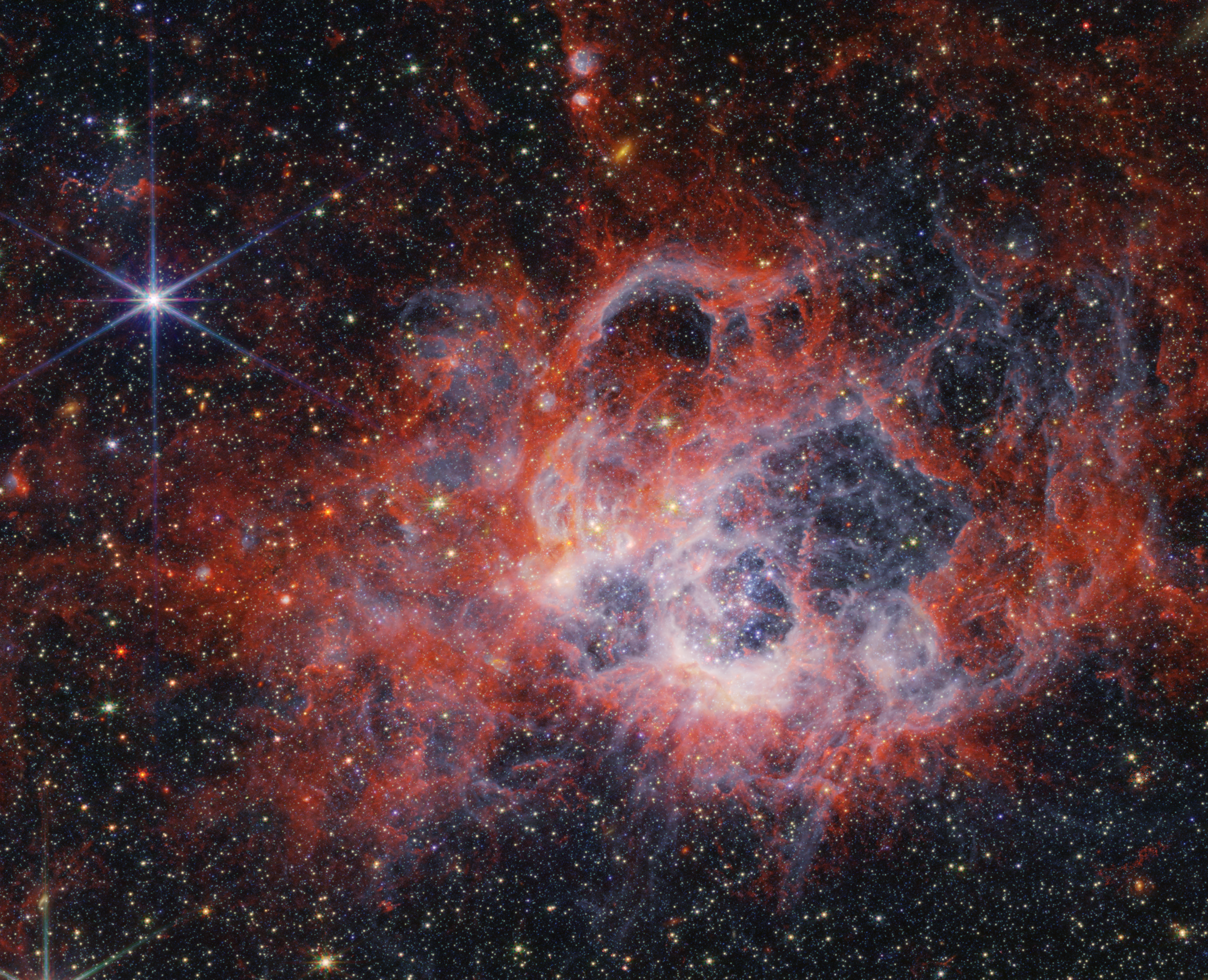
Looking Beyond the Veil


This image from NASA’s James Webb Space Telescope’s NIRCam (Near-Infrared Camera) of star-forming region NGC 604 shows how stellar winds from bright, hot young stars carve out cavities in surrounding gas and dust. via NASA https://ift.tt/OzUCQHu

Thursday, 18 April 2024

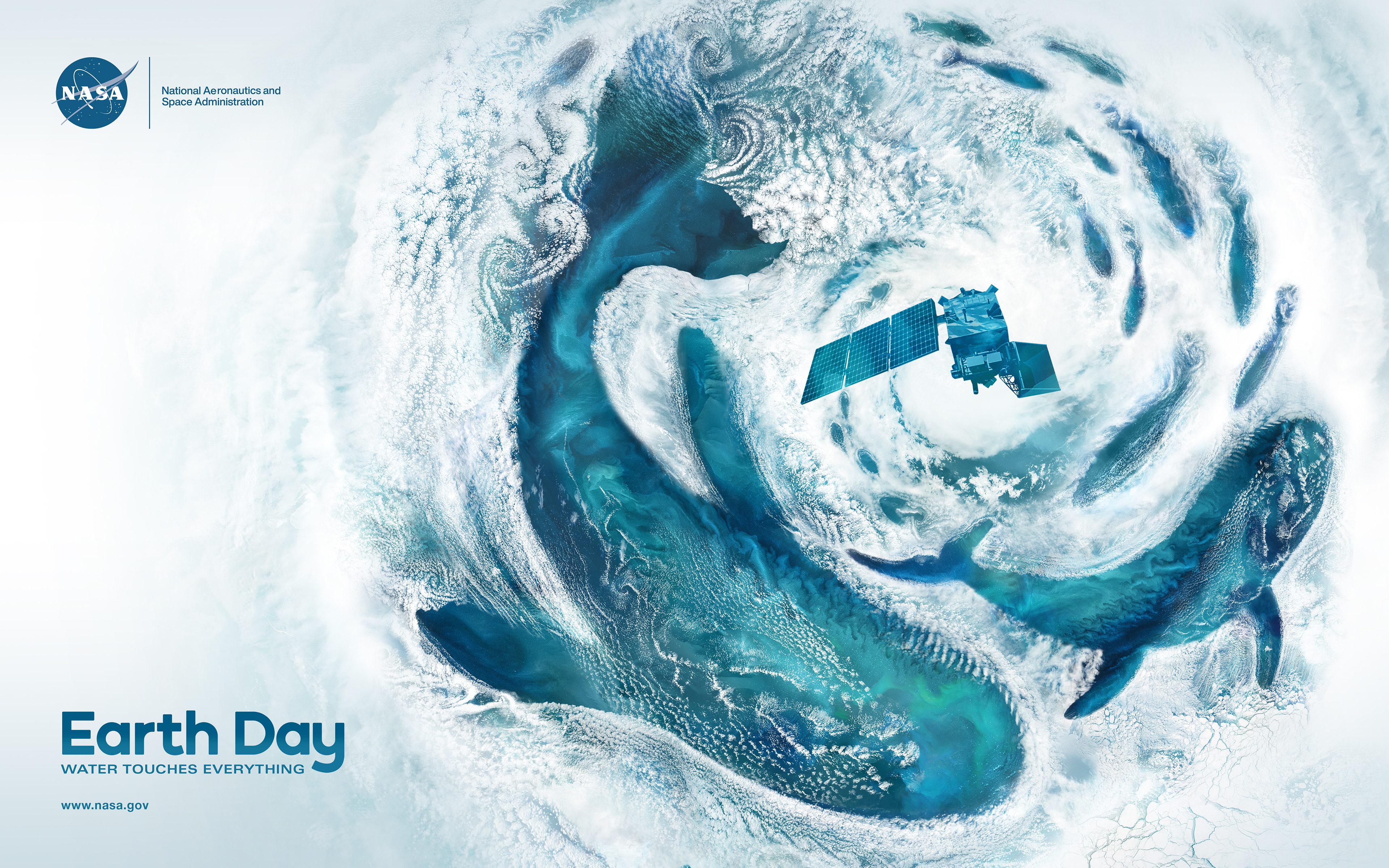
Water Touches Everything


The ocean holds about 97 percent of Earth's water and covers 70 percent of our planet's surface. According to the United Nations, the ocean may be home to 50 to 80 percent of all life on Earth. Even if you live hundreds of miles from a coast, what happens in the ocean is fundamental to your life. via NASA https://ift.tt/rXIOdYz

Wednesday, 17 April 2024

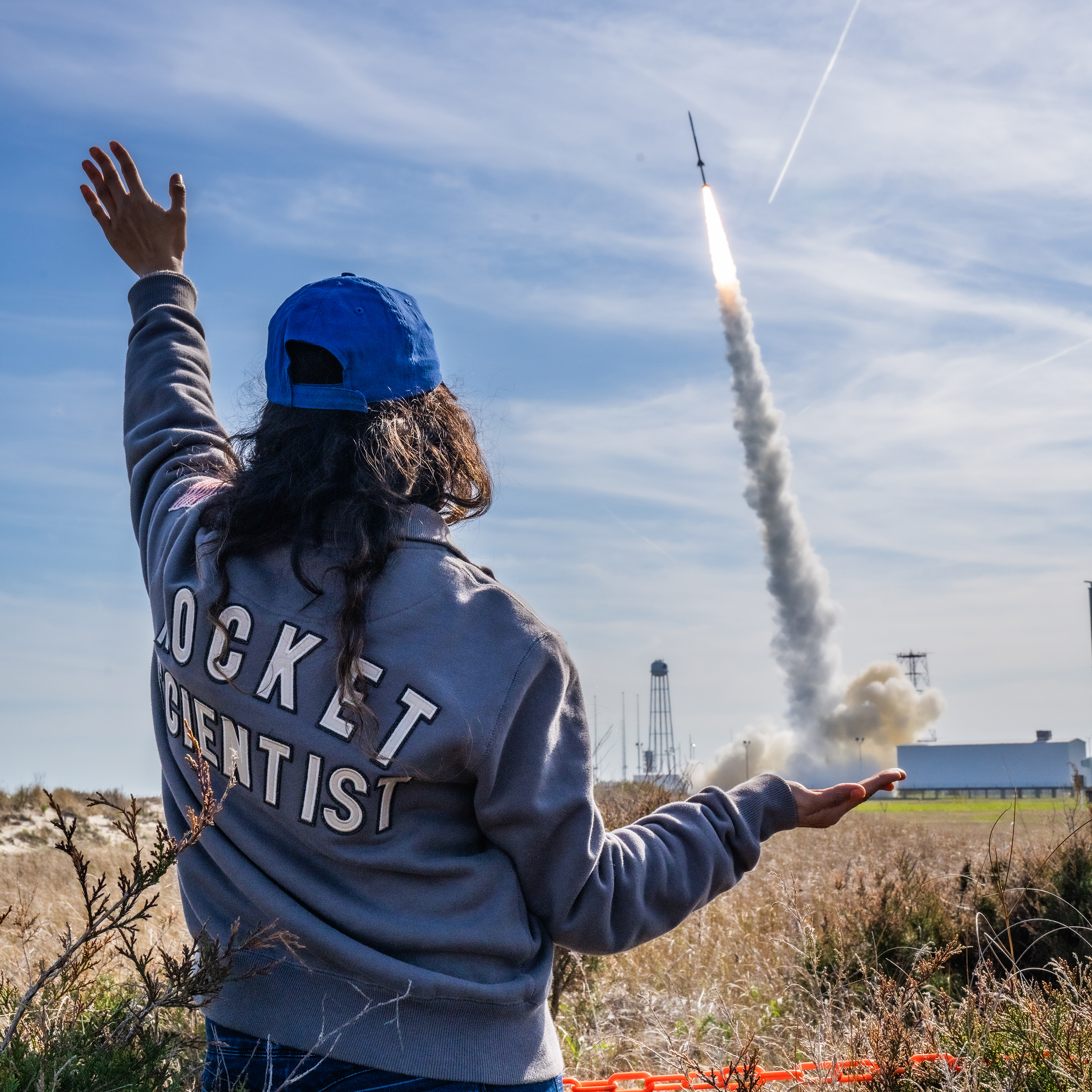
Sometimes Getting the Perfect Picture Really Is Rocket Science


NASA Engineer Cindy Fuentes Rosal waves goodbye to a Black Brant IX sounding rocket launching from NASA’s Wallops Flight Facility in Virginia during the total solar eclipse on April 8, 2024. The rocket was part of a series of three launches for the Atmospheric Perturbations around Eclipse Path (APEP) mission to study the disturbances in the electrified region of Earth’s atmosphere known as the ionosphere created when the Moon eclipses the Sun. The rockets launched before, during, and after peak local eclipse time on the Eastern Shore of Virginia. via NASA https://ift.tt/Rpjfhic

Tuesday, 16 April 2024

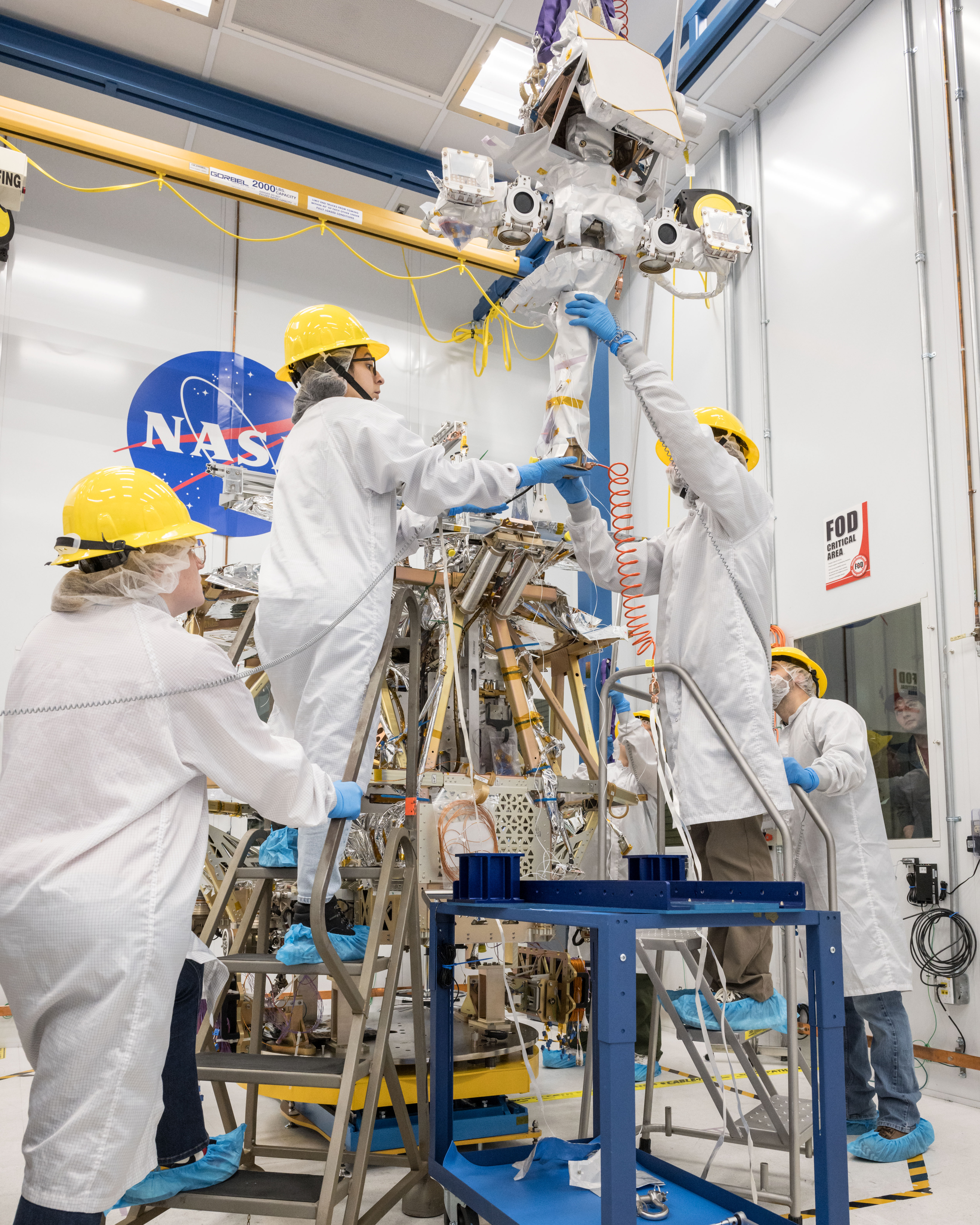
NASA’s VIPER Gets Its Head and Neck


A team of engineers lifts the mast into place atop of NASA’s VIPER robotic Moon rover in a clean room at NASA’s Johnson Space Center in Houston. via NASA https://ift.tt/l8TxM2y

Monday, 15 April 2024

Seeing the Solar Eclipse from 223,000 Miles Away


This spectacular image showing the Moon’s shadow on Earth’s surface was acquired during a 20-second period starting at 2:59 p.m. EDT (18:59:19 UTC) on April 8, 2024, by NASA’s Lunar Reconnaissance Orbiter. via NASA https://ift.tt/GPAIoBN

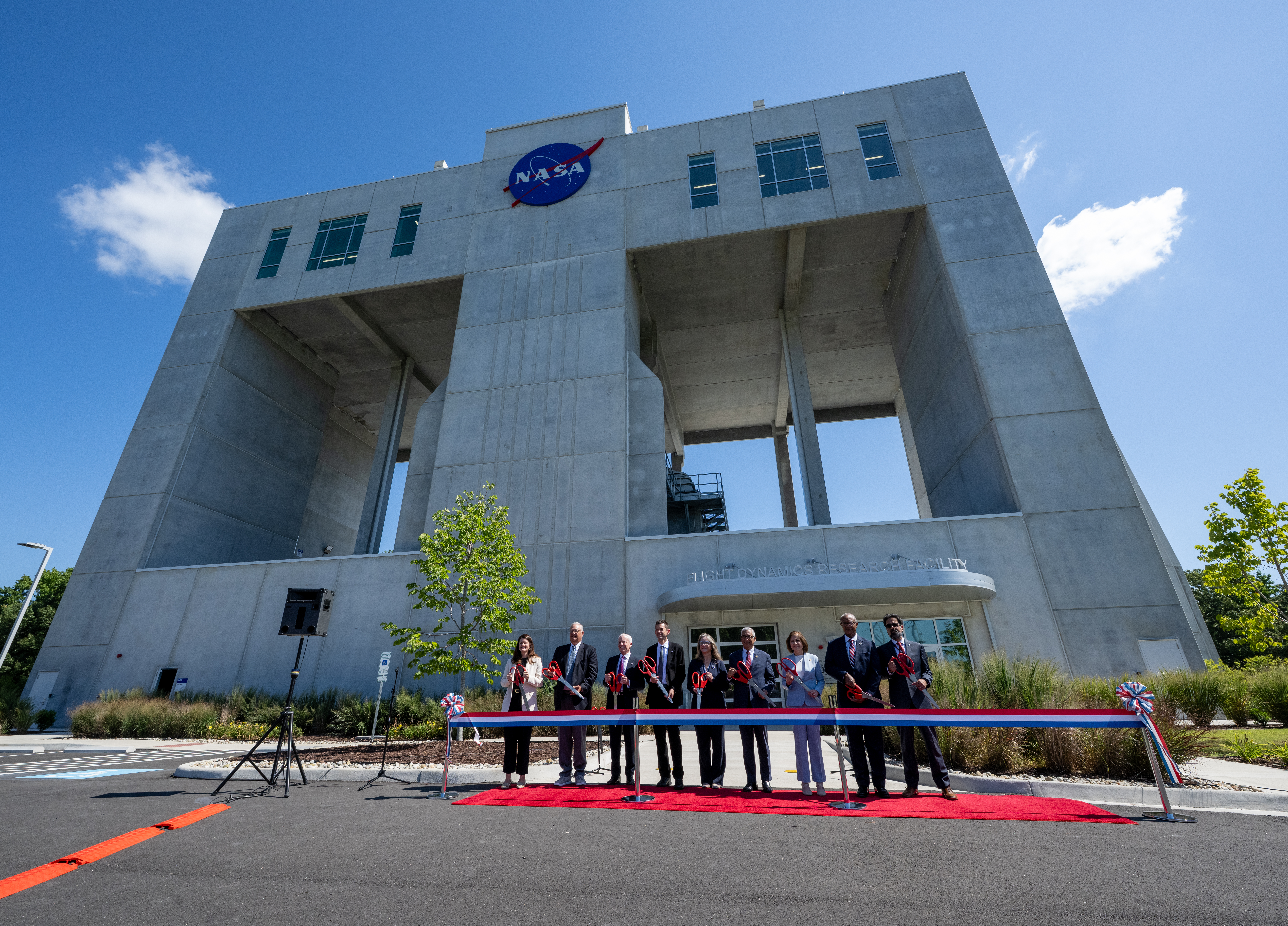
NASA's Newest Wind Tunnel Opens at NASA Langley

NASA opened its newest wind tunnel, the Flight Dynamics Research Facility at NASA’s Langley Research Center in Hampton, Virginia, on Friday,...