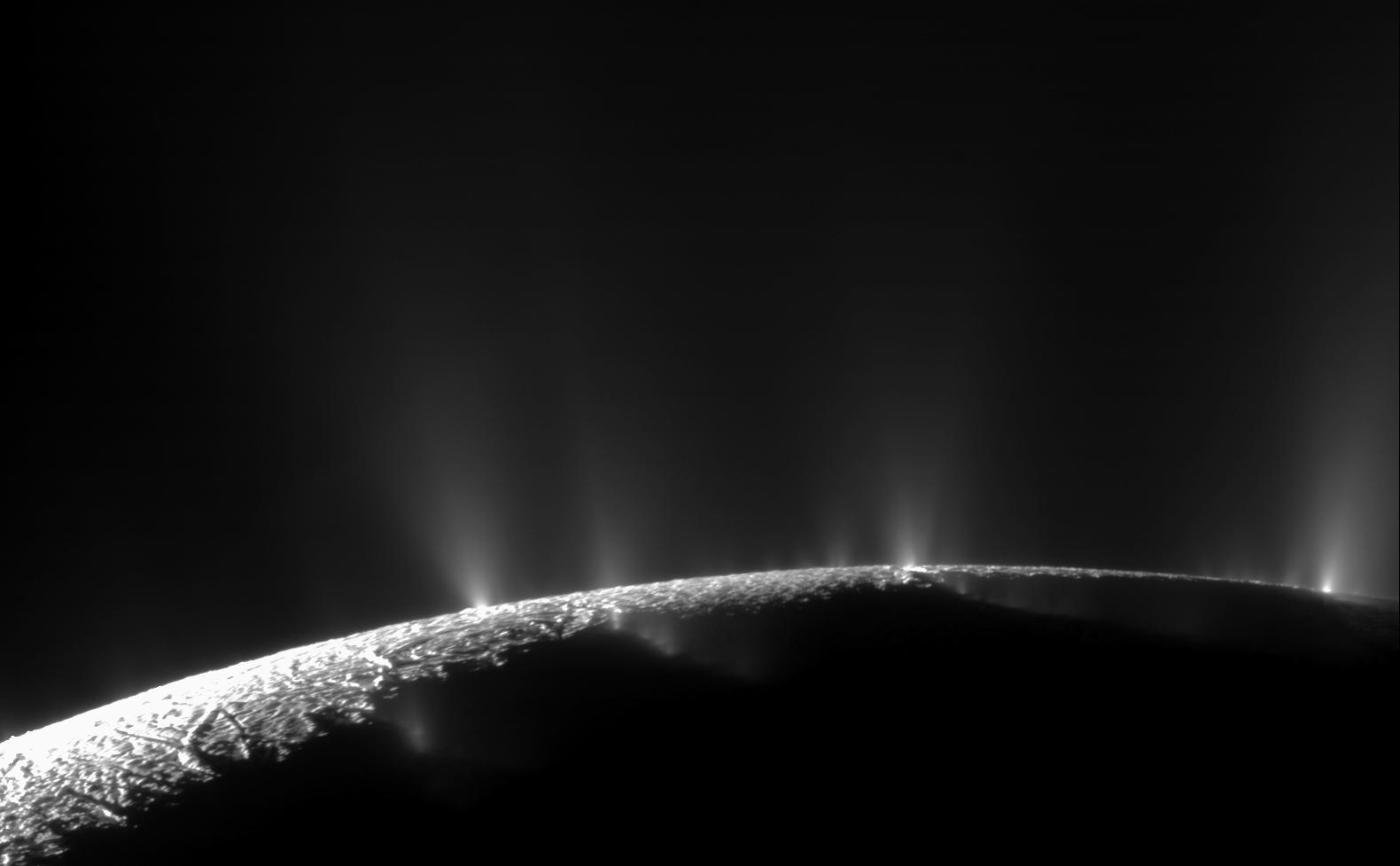
NASA's Cassini spacecraft captured dramatic plumes, both large and small, spray water ice out from many locations along the famed 'tiger stripes' near the south pole of Saturn's moon Enceladus. via NASA https://ift.tt/c2CPVGO
NASA’s Artemis II Orion spacecraft with its launch abort system is stacked atop the agency’s SLS (Space Launch System) rocket in High Bay 3 of the Vehicle Assembly Building at NASA’s Kennedy Space Center in Florida on Monday, Oct. 20, 2025. The spacecraft will carry NASA astronauts Reid Wiseman, Victor Glover, Christina Koch, and CSA (Canadian Space Agency) astronaut Jeremy Hansen on a 10-day mission around the Moon and back in early 2026. via NASA https://ift.tt/7GWp6Ox
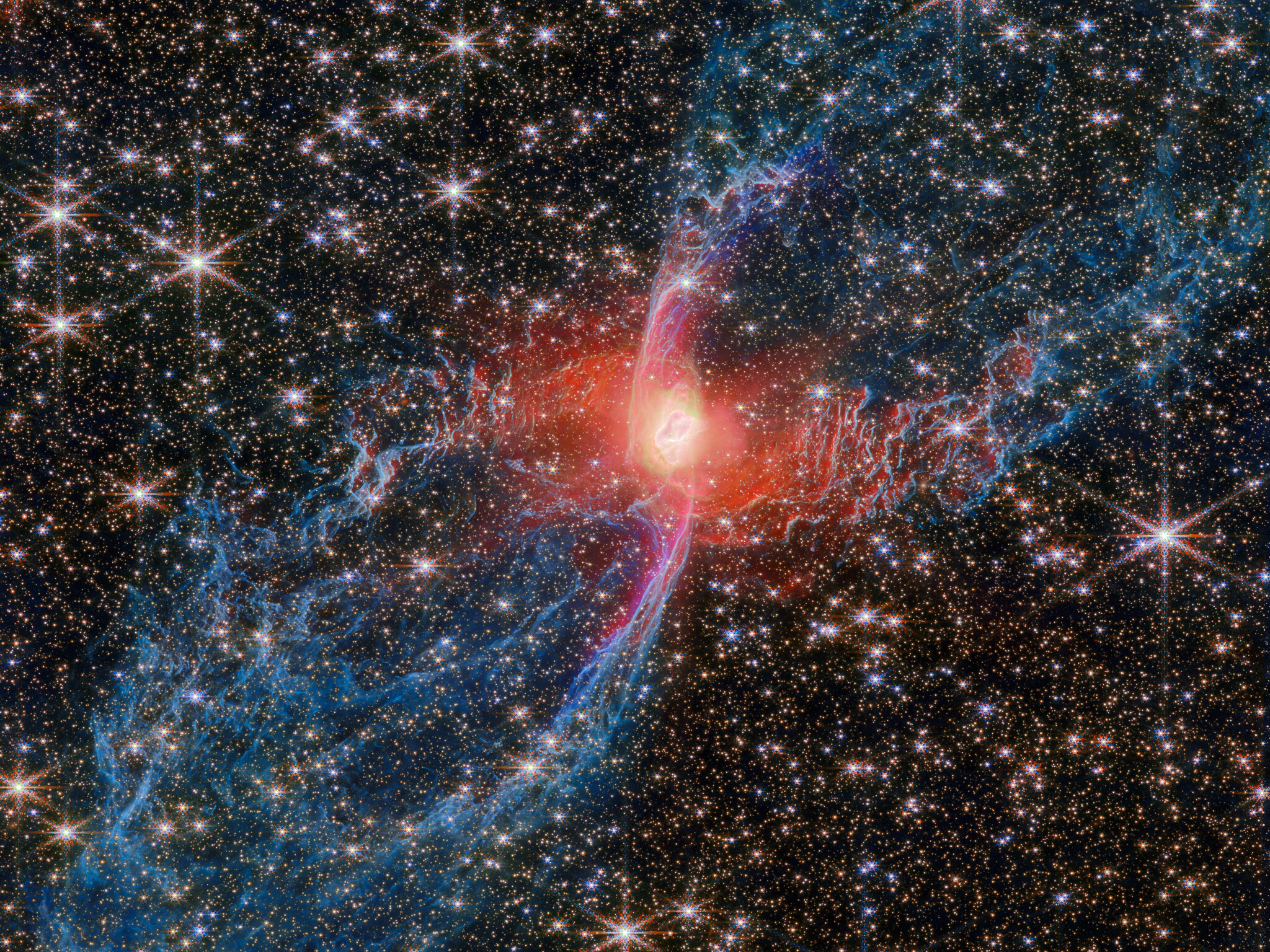
Using its Near-InfraRed Camera (NIRCam), NASA's James Webb Space Telescope has revealed never-before-seen details in the picturesque Red Spider Nebula with a rich backdrop of thousands of stars. via NASA https://ift.tt/BkLTjpH
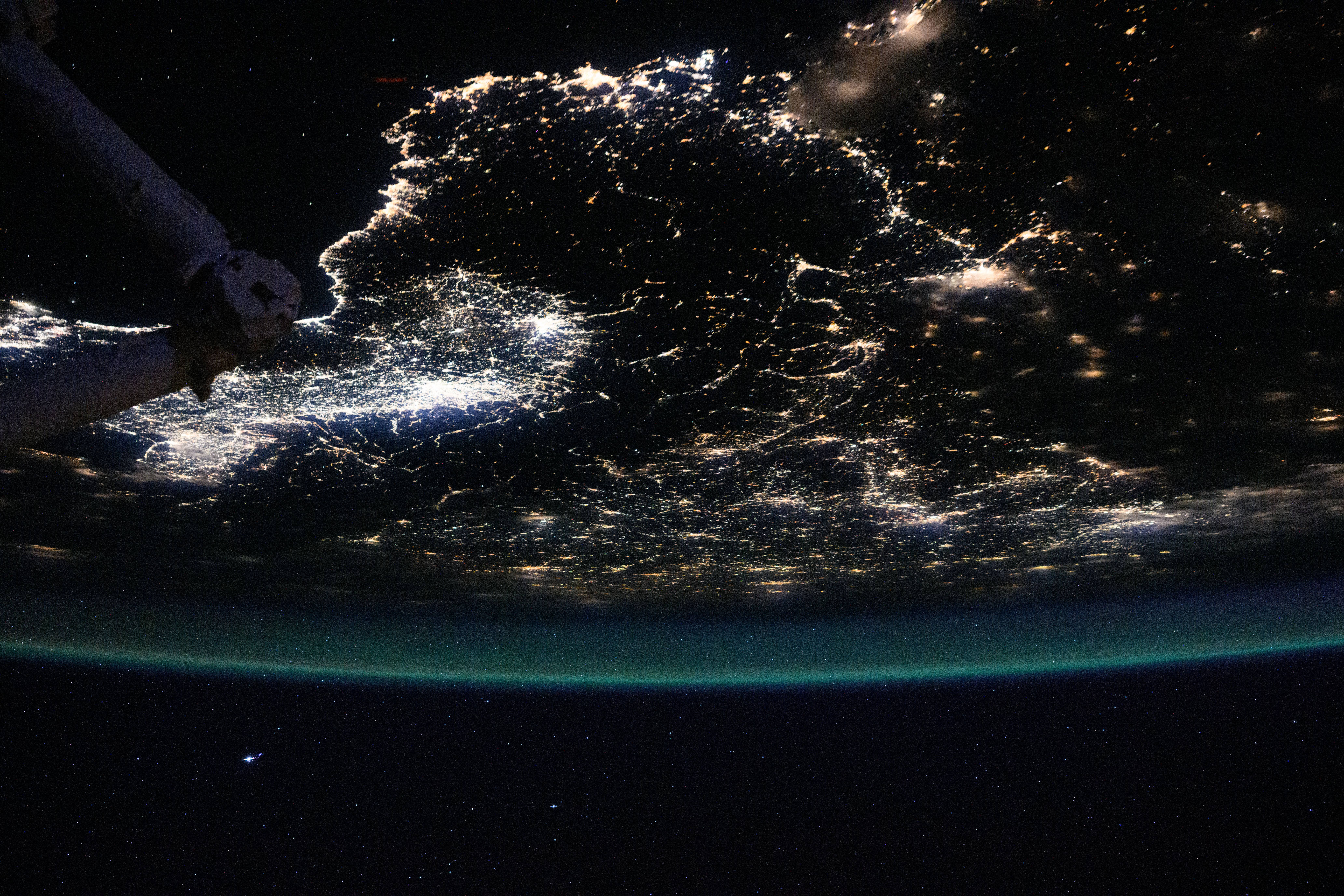
The atmospheric glow blankets southern Europe and the northwestern Mediterranean coast, outlined by city lights. At left, the Po Valley urban corridor in Italy shines with the metropolitan areas of Milan and Turin and their surrounding suburbs. via NASA https://ift.tt/Uz7ng81
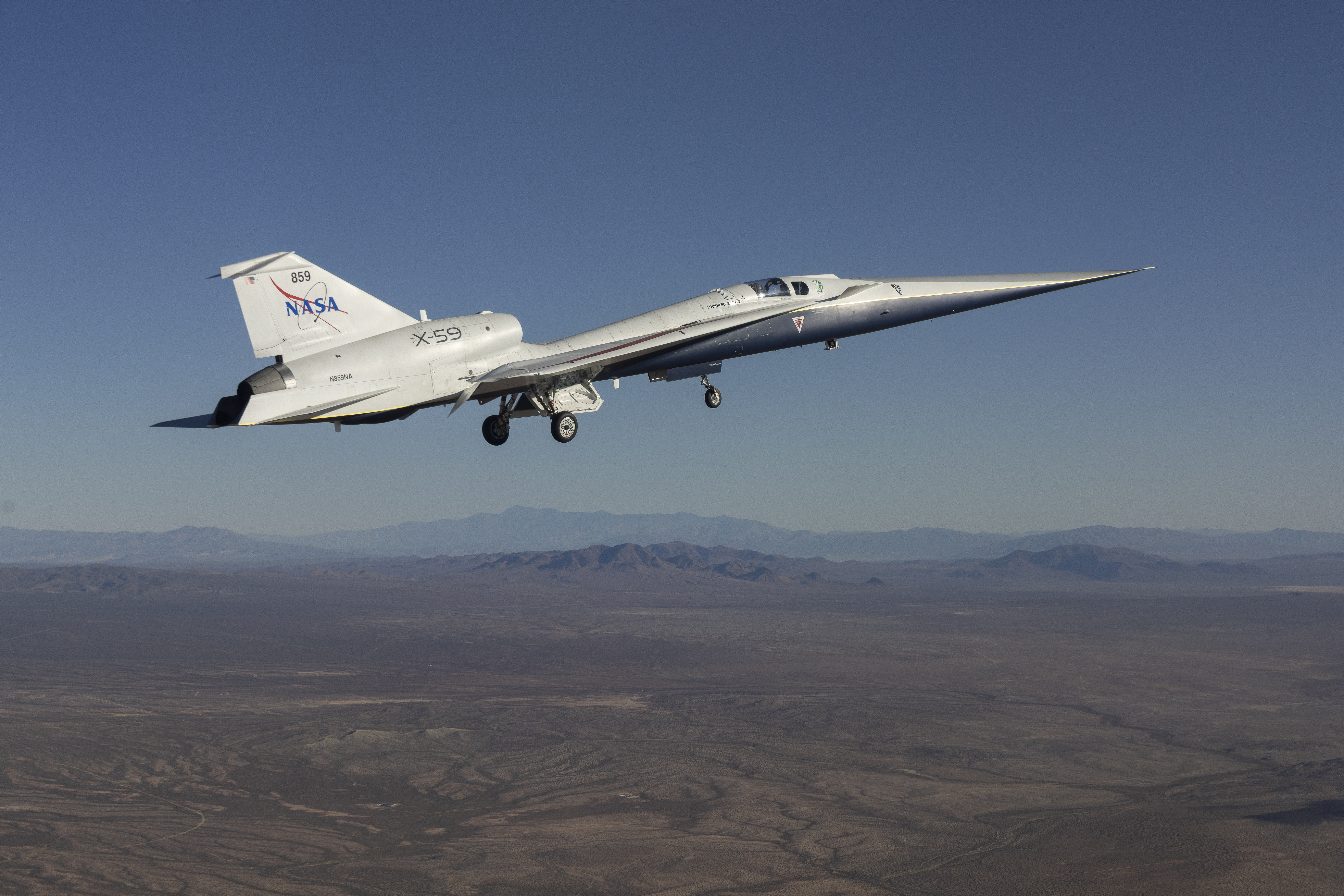
NASA’s X-59 quiet supersonic research aircraft lifts off for its first flight Tuesday, Oct. 28, 2025, from U.S. Air Force Plant 42 in Palmdale, California. The aircraft’s first flight marks the start of flight testing for NASA’s Quesst mission, the result of years of design, integration, and ground testing and begins a new chapter in NASA’s aeronautics research legacy. via NASA https://ift.tt/MDO6VQE
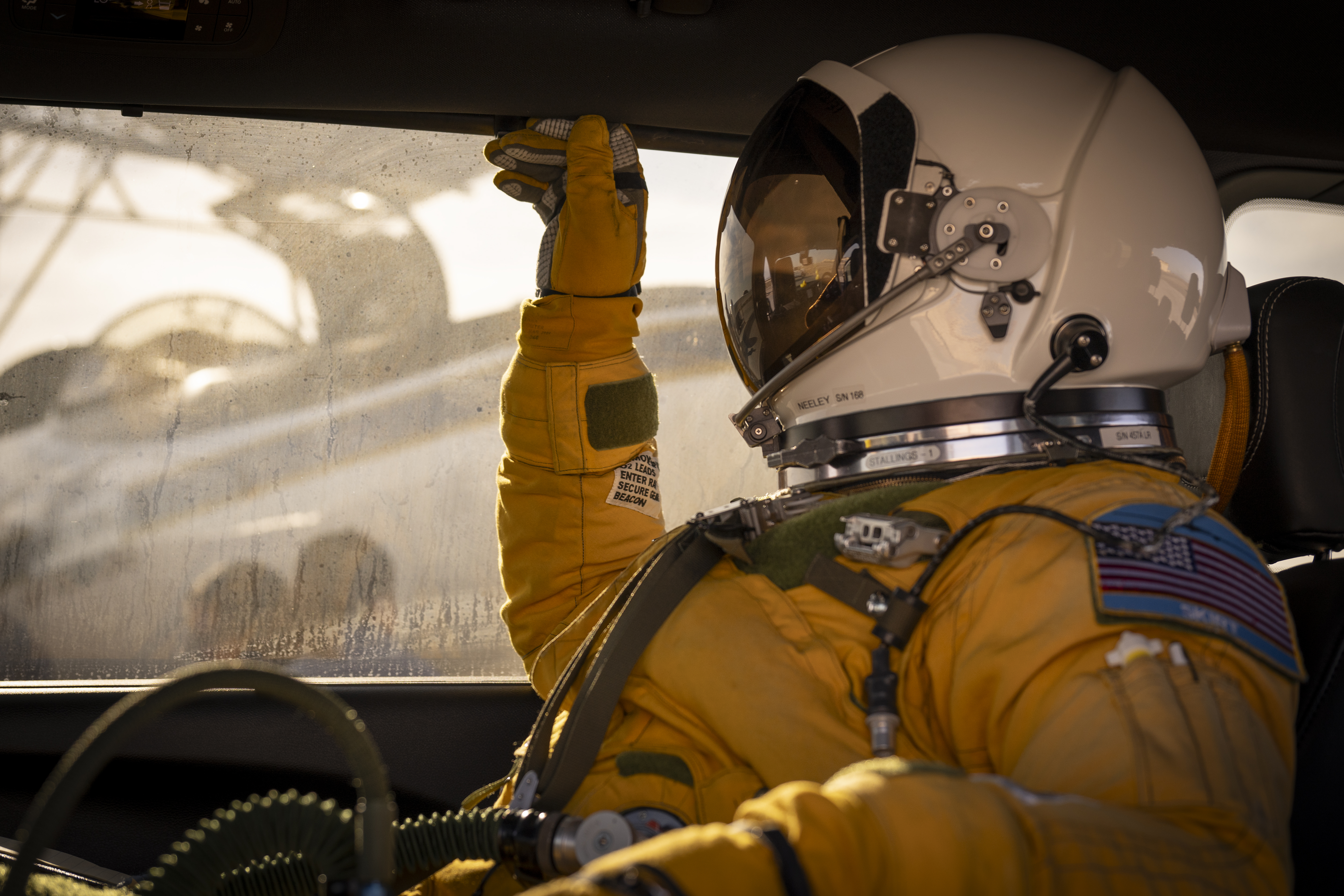
NASA ER-2 pilot Kirt Stallings waits inside the transport vehicle at Edwards, California, on Thursday, Aug. 21, 2025, moments before boarding NASA’s Armstrong Flight Research Center’s ER-2 aircraft for a high-altitude mission supporting the Geological Earth Mapping Experiment (GEMx). Through the vehicle window, the aircraft can be seen being readied for flight. via NASA https://ift.tt/2SmOGVM
This image shows two massive galaxy clusters. The vast number of galaxies and foreground stars in the image were captured by NASA’s James Webb Space Telescope in near-infrared light. Glowing, hot X-rays captured by NASA’s Chandra X-ray Observatory appear in pink. The blue represents the dark matter, which was precisely mapped by researchers with Webb’s detailed imaging. via NASA https://ift.tt/dq7IvQL
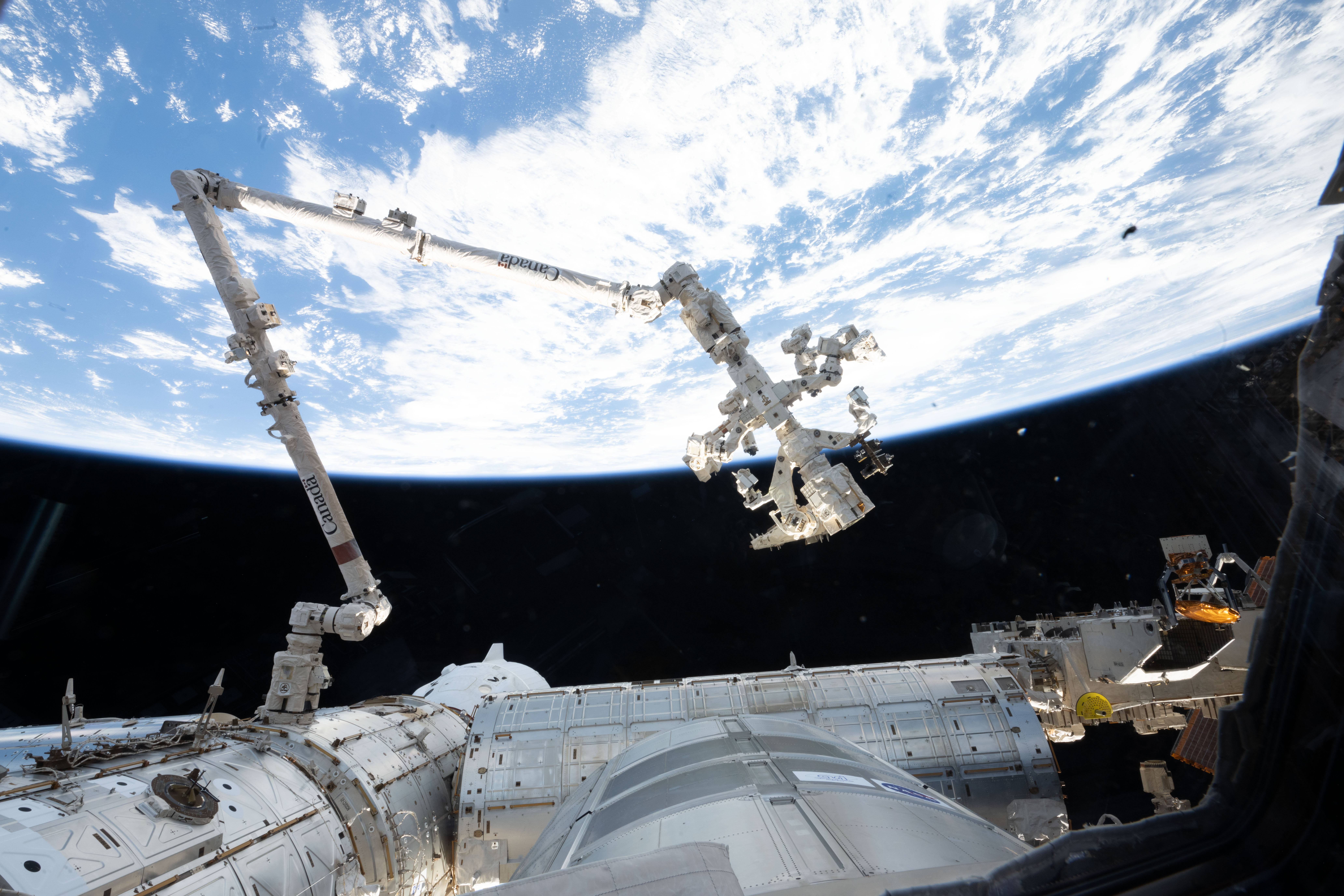
The 57.7-foot-long Canadarm2 robotic arm extends from a data grapple fixture on the International Space Station’s Harmony module in this July 23, 2025, image. via NASA https://ift.tt/9bqZiLS