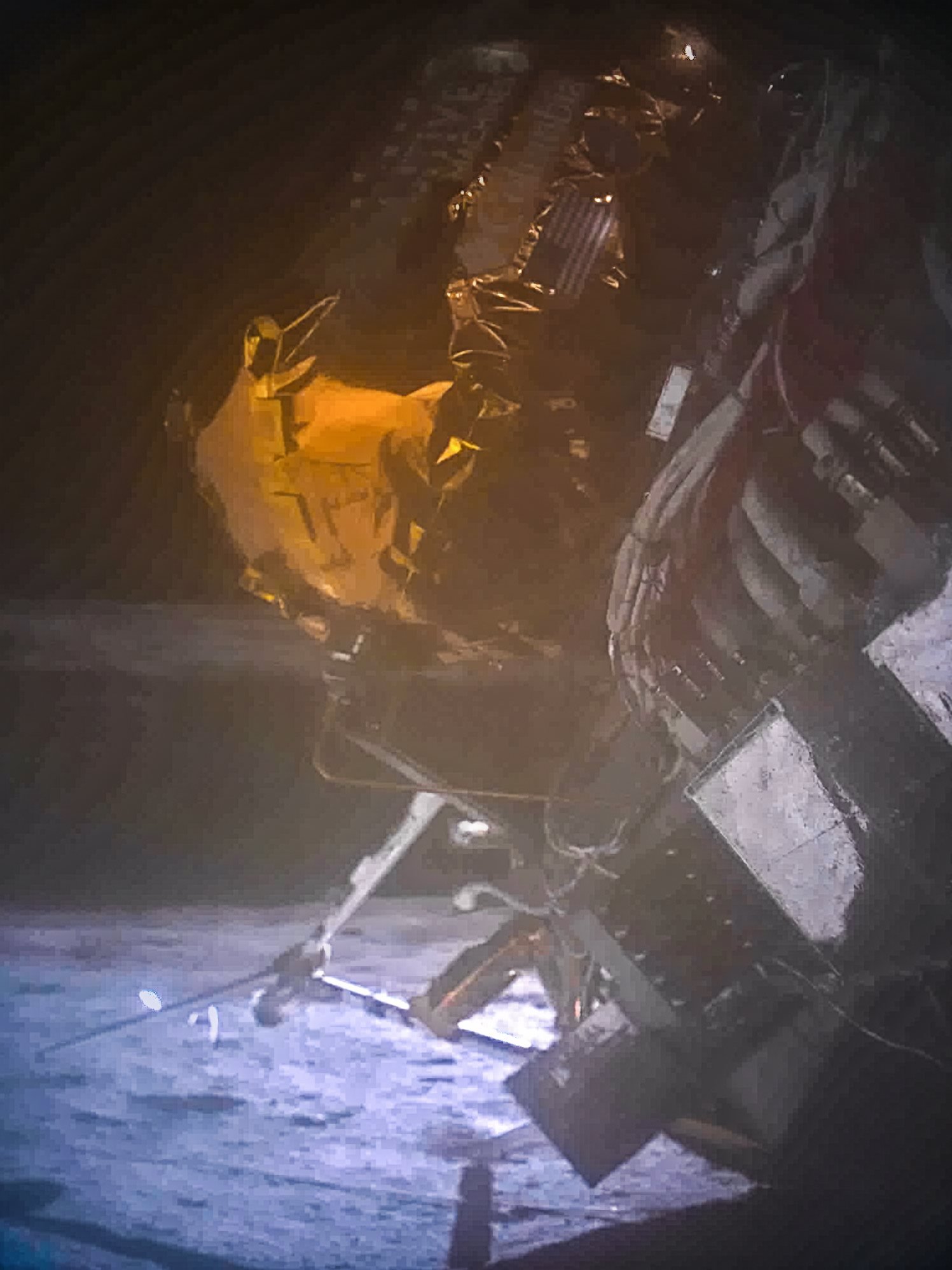
Following a launch on Feb. 15, Intuitive Machines’ Odysseus lander touched down in the Moon’s south polar region on Feb. 22 and has since transmitted valuable scientific data back to Earth. via NASA https://ift.tt/Y4wEba9
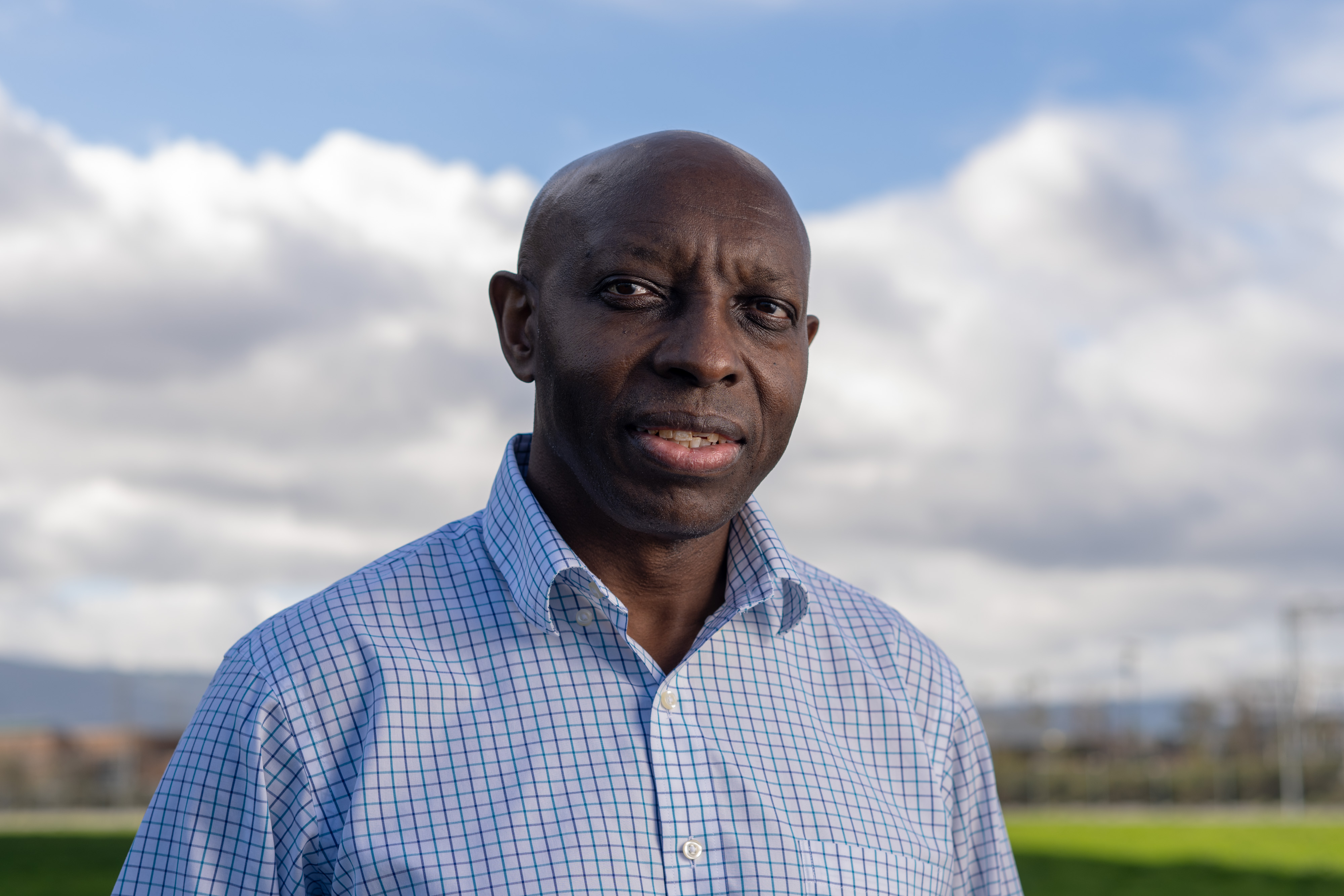
"Anyone you see on the streets, their color or background doesn't matter; we all come into this world the same way. You're equipped with skills, so find your passion and go for it." – Dr. Charles Gatebe, Chief of Atmospheric Science Branch, NASA's Ames Research Center via NASA https://ift.tt/hDPKv0g
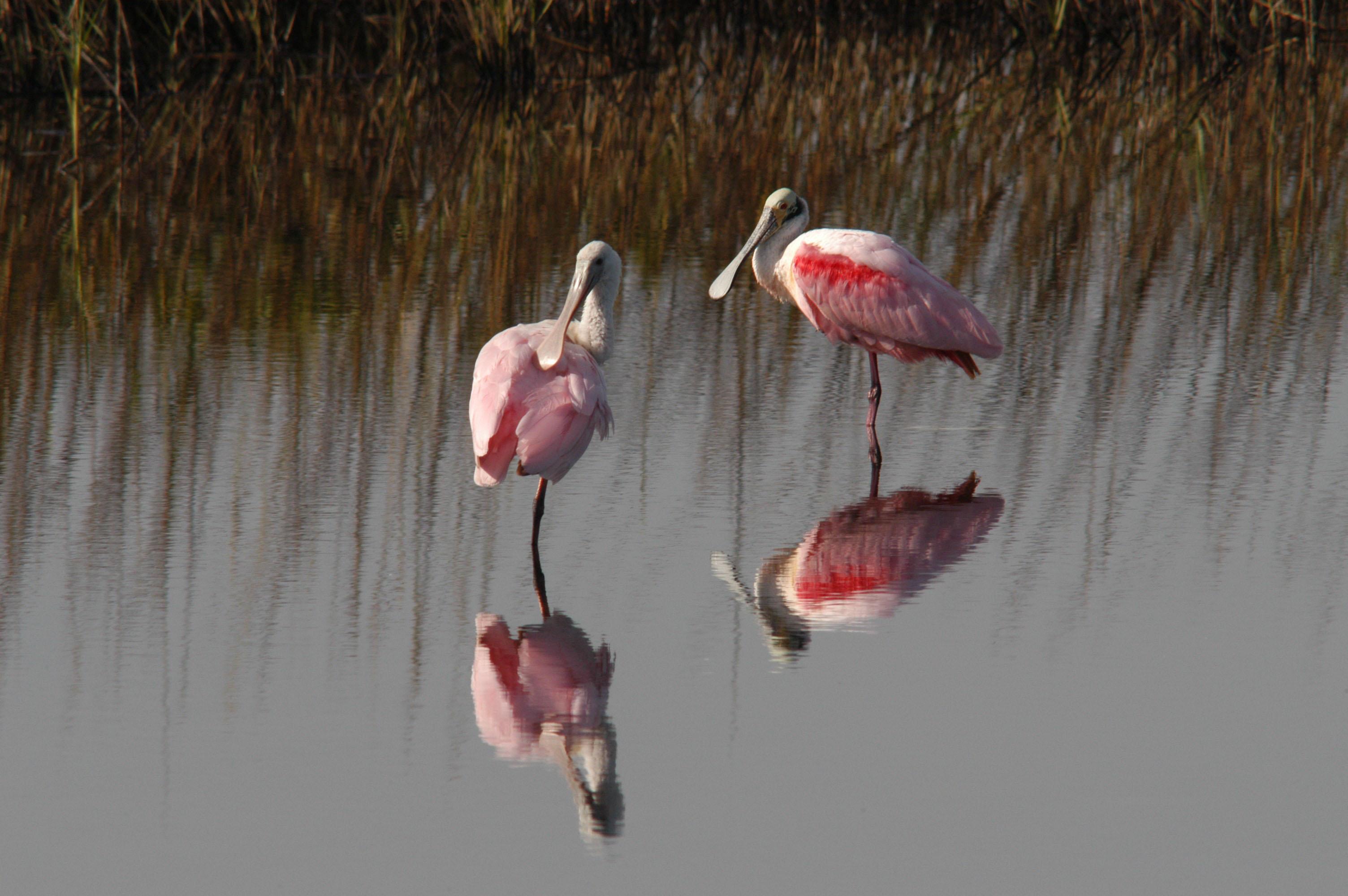
A female (left) and a male roseate spoonbill get together near the tall grasses at the edge of a pond in the Merritt Island National Wildlife Refuge, northwest of Kennedy Space Center in Florida. Spoonbills inhabit areas of mangrove such as on the coasts of southern Florida and Texas. These birds feed on shrimps and fish in the shallow water, sweeping their bills from side to side. This and other wildlife abound throughout Kennedy as it shares a boundary with the Wildlife Refuge, home to some of the nation’s rarest and most unusual species of wildlife. The wildlife refuge is a habitat for more than 310 species of birds, 25 mammals, 117 fishes and 65 amphibians and reptiles. via NASA https://ift.tt/y14LpEX
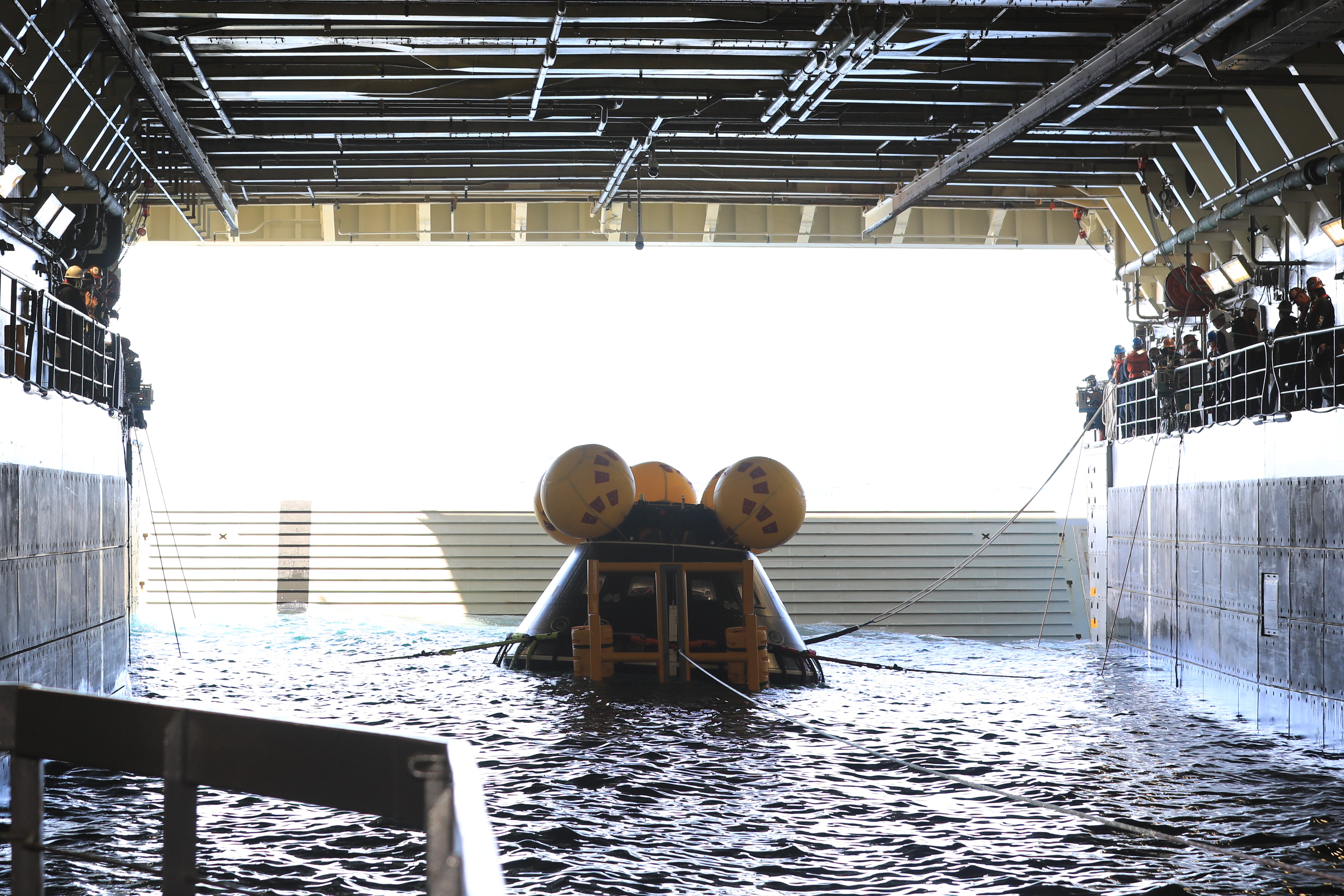
Members of NASA’s Exploration Ground System’s Landing and Recovery team and partners from the Department of Defense aboard the USS San Diego practice recovery procedures during Underway Recovery Test 11 (URT-11) off the coast of San Diego on Thursday, Feb. 22, 2024. The team works to secure the Crew Module Test Article and align it on its stand inside the ship’s well deck. URT-11 is the eleventh in a series of Artemis recovery tests, and the first time NASA and its partners put their Artemis II recovery procedures to the test with the astronauts. via NASA https://ift.tt/Q9HVa4F
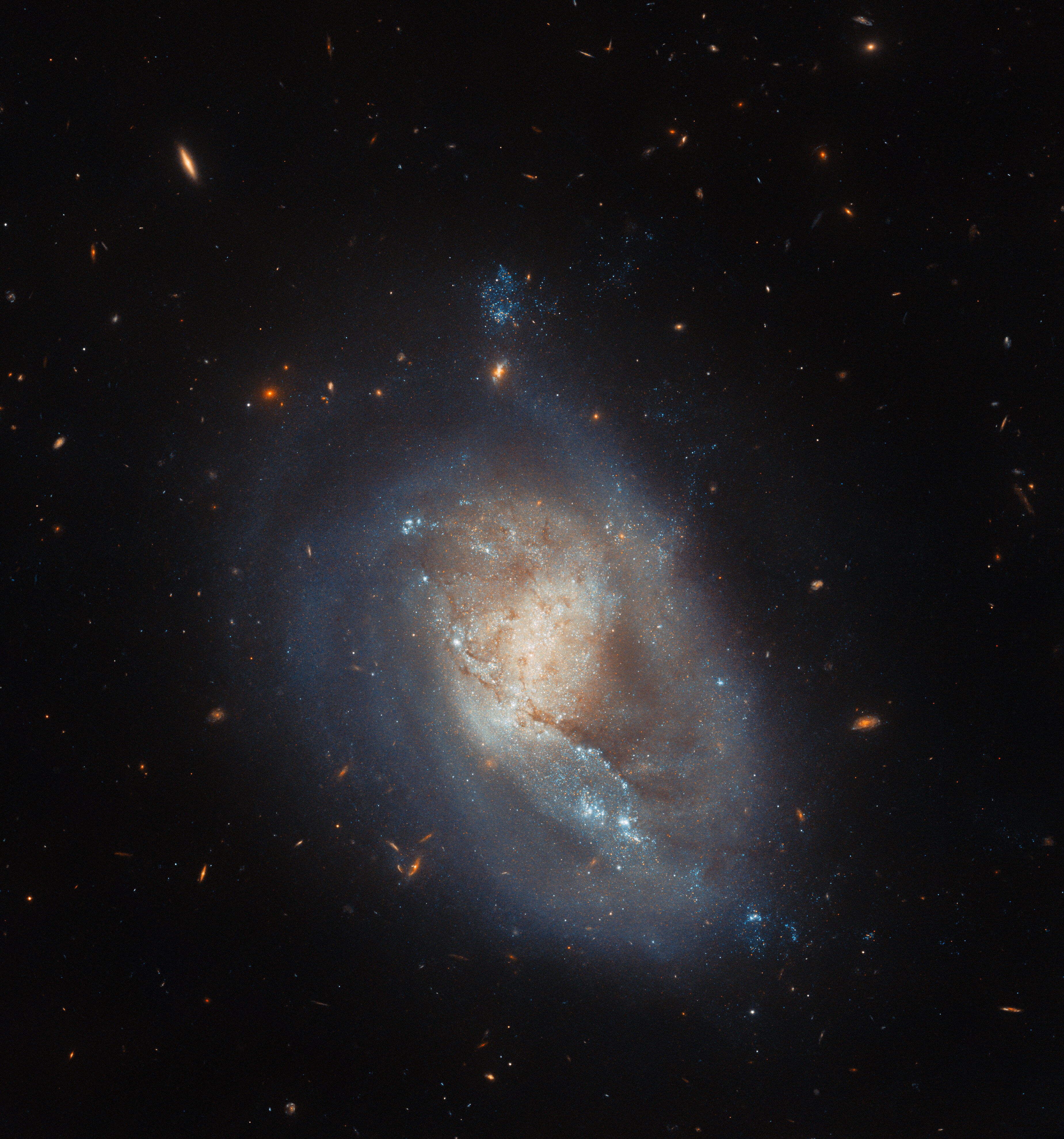
This NASA/ESA Hubble Space Telescope image features IC 3476, a dwarf galaxy that lies about 54 million light-years from Earth in the constellation Coma Berenices. While this image does not look very dramatic – we might say it looks almost serene – the actual physical events taking place in IC 3476 are highly energetic. In fact, the little galaxy is undergoing a process called ram pressure stripping that is driving unusually high levels of star formation in regions of the galaxy. via NASA https://ift.tt/FM1GgbK
The city lights of Shanghai, the most populous city in China with a population of about 24.9 million, and the Huangpu River flowing through downtown, are pictured from the International Space Station as it orbited 260 miles above the East China Sea. via NASA https://ift.tt/nH3hjbv
On July 12, 2011, crew from the U.S. Coast Guard Cutter Healy retrieved a canister dropped by parachute from a C-130, which brought supplies for some mid-mission fixes. The ICESCAPE, or "Impacts of Climate on Ecosystems and Chemistry of the Arctic Pacific Environment, mission was a NASA shipborne investigation to study how changing conditions in the Arctic affect the ocean's chemistry and ecosystems. The bulk of the research took place in the Beaufort and Chukchi seas in summer 2010 and 2011. via NASA https://ift.tt/jWyKIH9
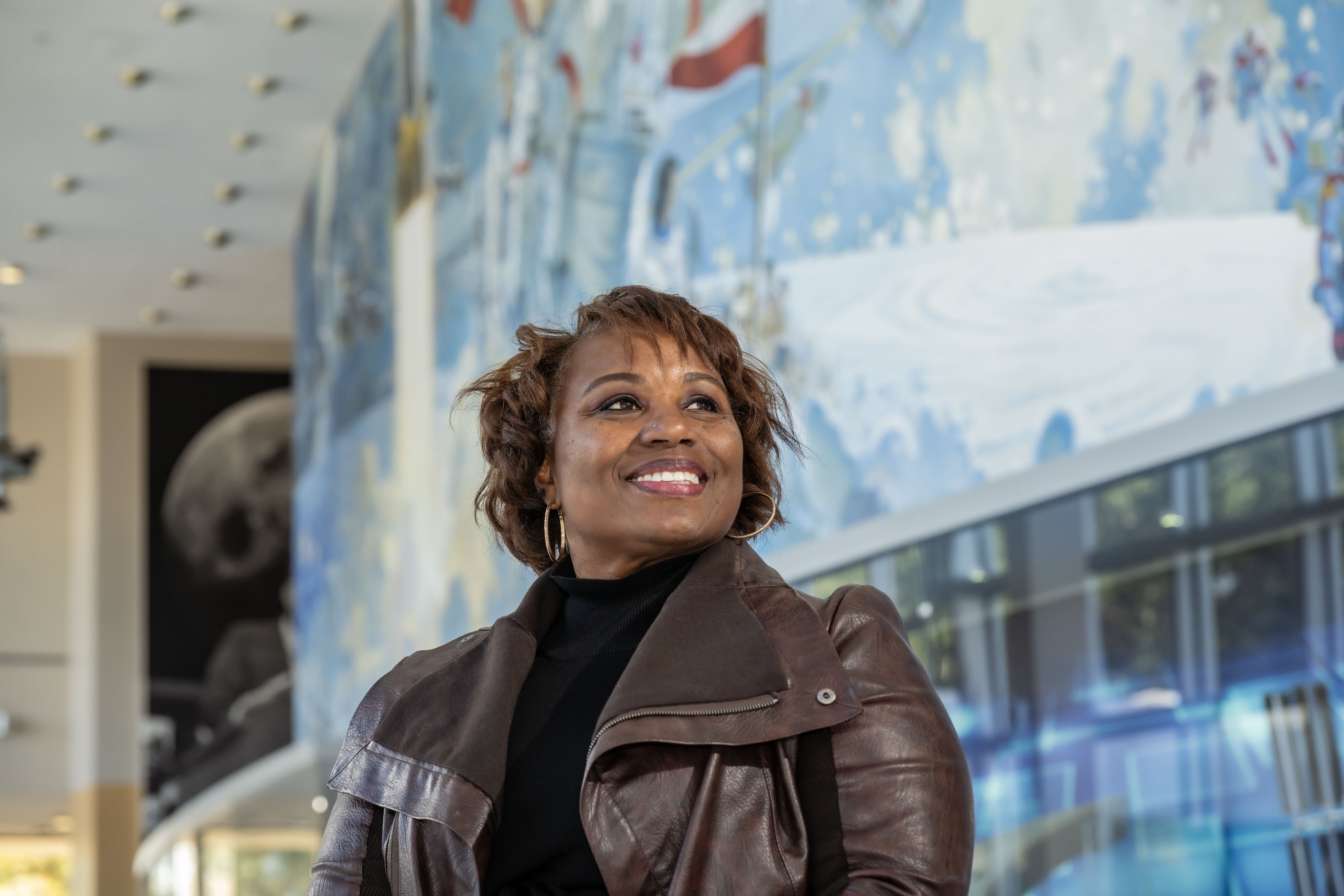
"You must have grit, resilience, courage, and strength. I'm able to really share all the wisdom and the lessons I've learned throughout my career with [the students I mentor], and that makes a difference." — Dr. Camille Alleyne, Deputy Program Manager, Commercial LEO Development Program, NASA’s Johnson Space Center via NASA https://ift.tt/jZXKgbi
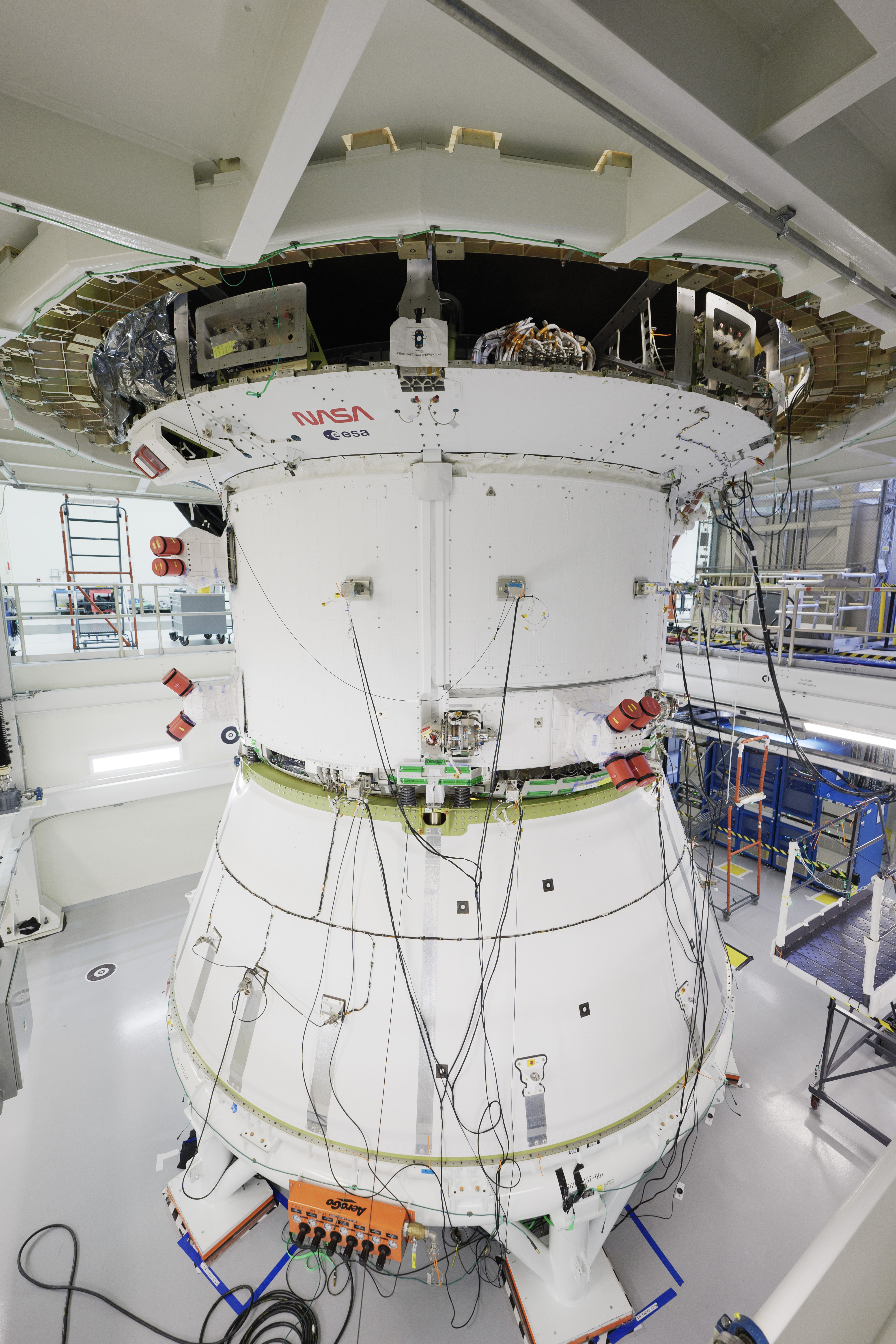
The Orion spacecraft for NASA’s Artemis II mission received its latest makeover. Teams adhered the agency’s iconic “worm” logo and ESA (European Space Agency) insignia on the spacecraft’s crew module adapter on Sunday, Jan. 28, inside the Neil Armstrong Operations and Checkout Building at NASA’s Kennedy Space Center in Florida. via NASA https://ift.tt/5Swau9z
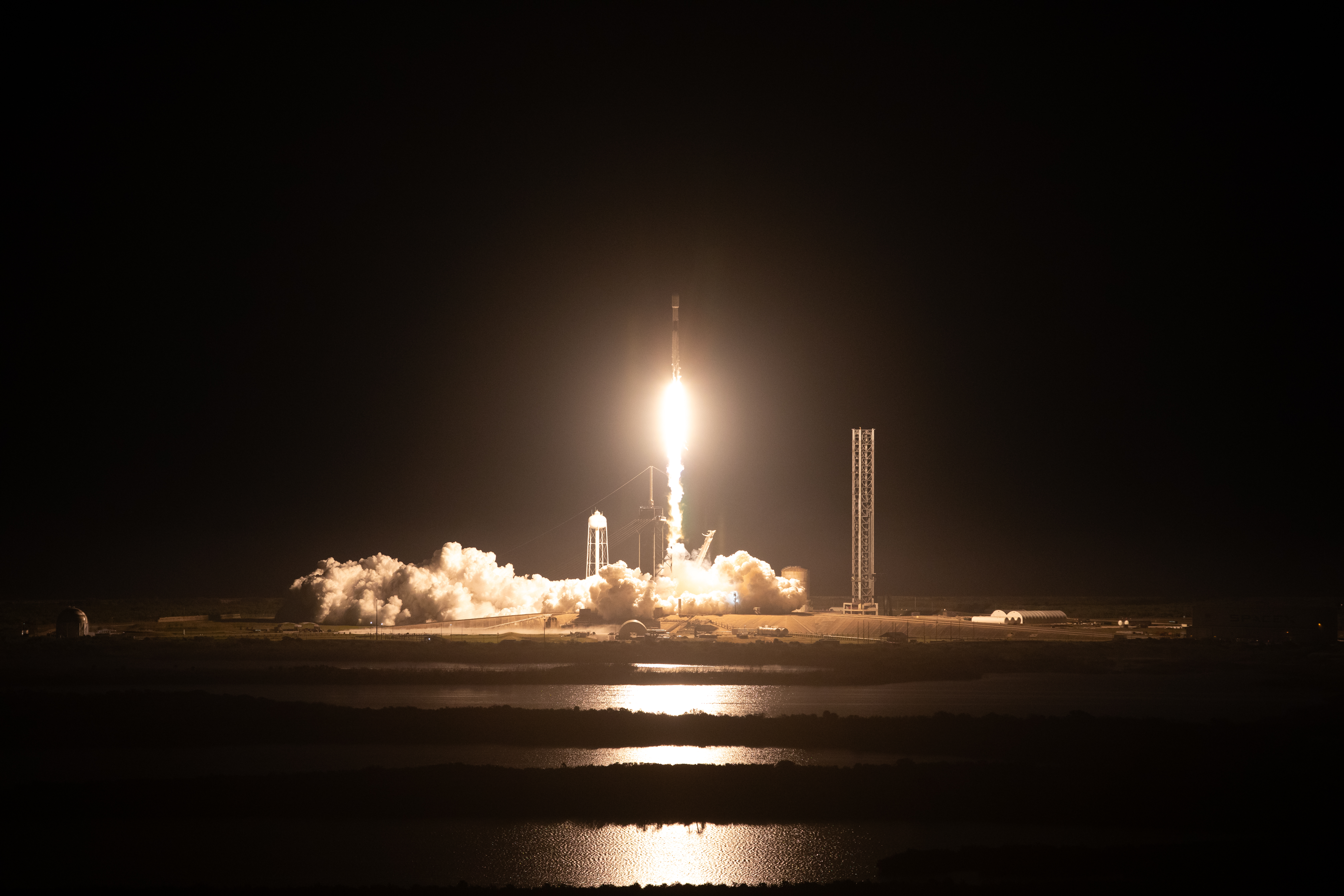
A SpaceX Falcon 9 rocket carrying Intuitive Machines’ Nova-C lunar lander lifts off from Launch Pad 39A at NASA’s Kennedy Space Center in Florida at 1:05 a.m. EST on Thursday, Feb. 15, 2024. As part of NASA’s CLPS (Commercial Lunar Payload Services) initiative and Artemis campaign, Intuitive Machines’ first lunar mission will carry NASA science and commercial payloads to the Moon to study plume-surface interactions, space weather/lunar surface interactions, radio astronomy, precision landing technologies, and a communication and navigation node for future autonomous navigation technologies. via NASA https://ift.tt/xHoEQ7G
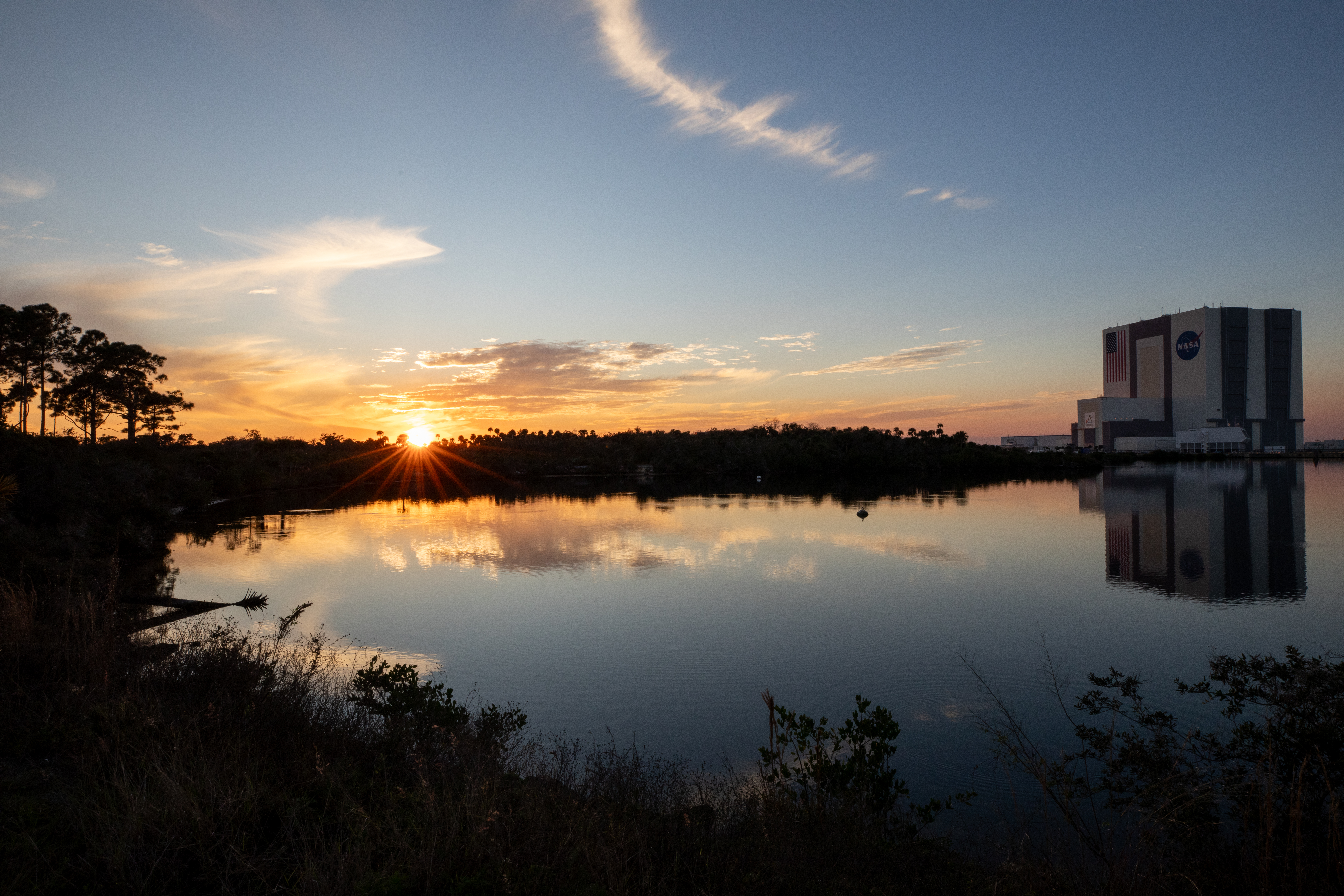
Photographers at NASA capture the sunset on Tuesday, Jan. 30, 2024, near the Vehicle Assembly Building at the agency’s Kennedy Space Center in Florida. The iconic Vehicle Assembly Building, completed in 1966 and currently used for assembly of NASA’s Space Launch System rocket for Artemis missions, remains the only building in which rockets were assembled that carried humans to the surface of another world. via NASA https://ift.tt/80IgBDV
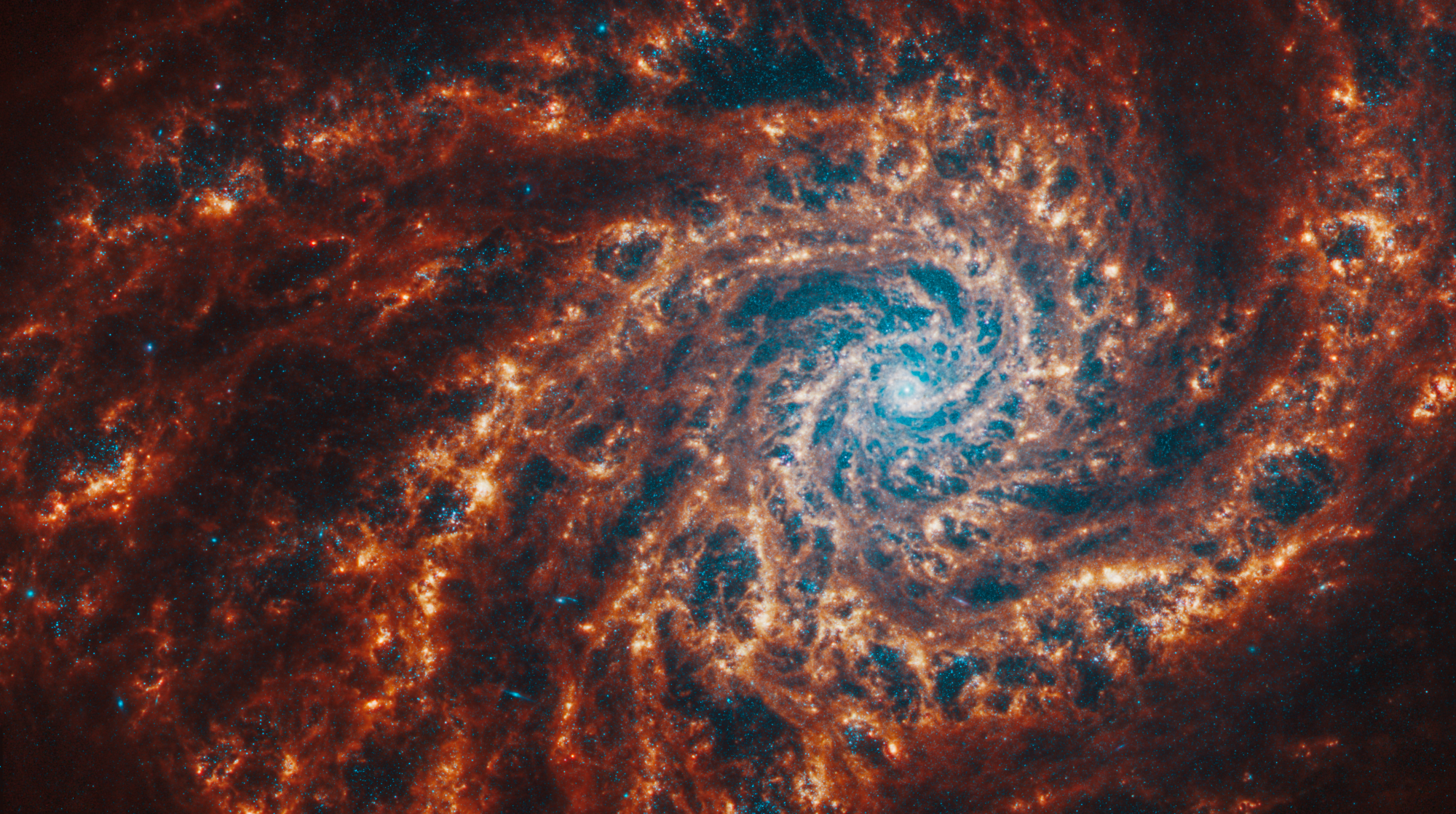
It’s oh-so-easy to be mesmerized by this spiral galaxy. Follow its clearly defined arms, which are brimming with stars, to its center, where there may be old star clusters and – sometimes – active supermassive black holes. NASA’s James Webb Space Telescope delivered highly detailed scenes of this and other nearby spiral galaxies in a combination of near- and mid-infrared light. via NASA https://ift.tt/I9b0TZa
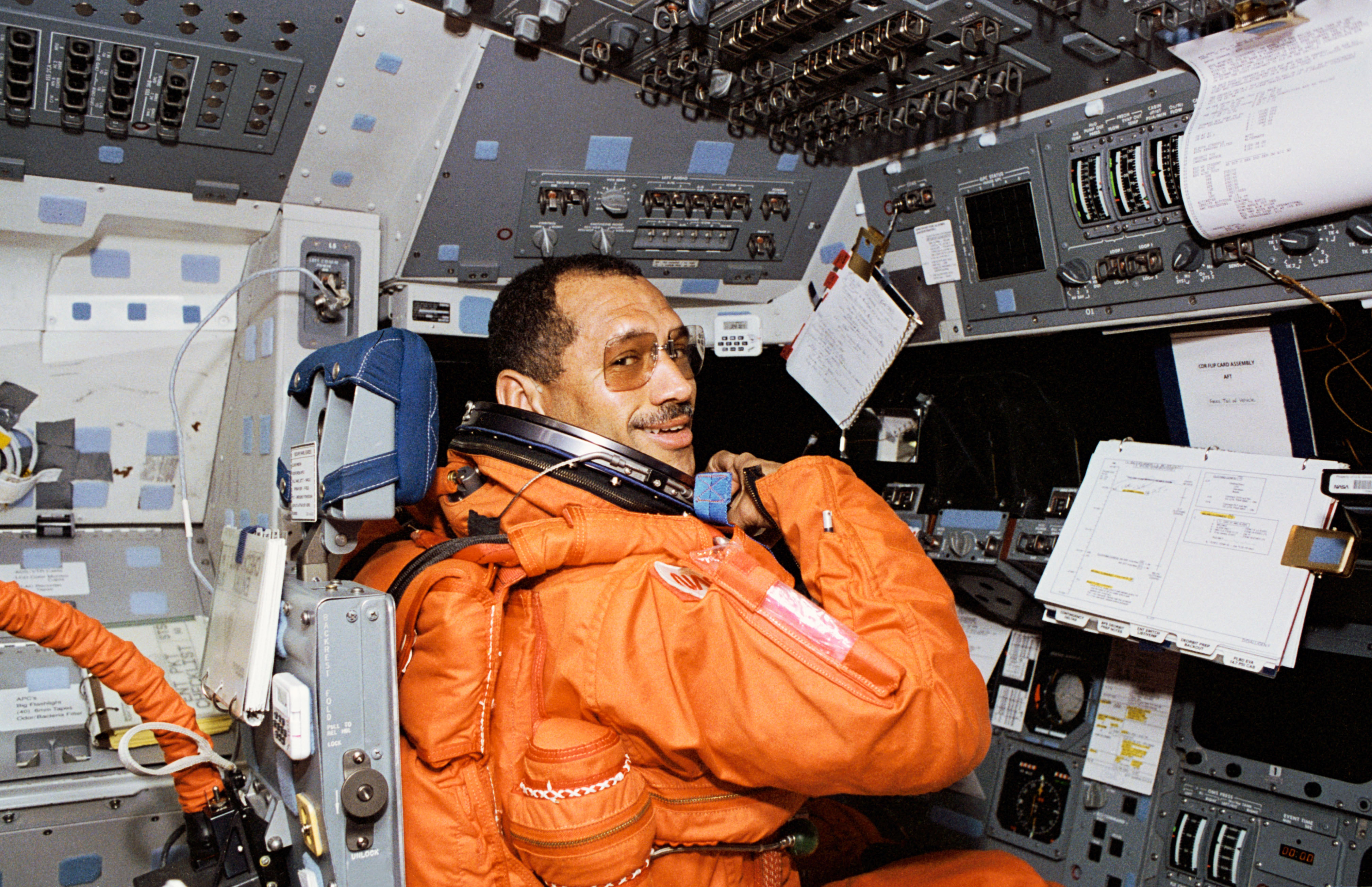
STS-60 commander Charles F. Bolden is seen at the commander's station on the forward flight deck of the space shuttle Discovery. He is wearing the orange launch and entry suit. Bolden and his crewmates performed proximity operations with the Russian Mir space station. via NASA https://ift.tt/Fin4puo
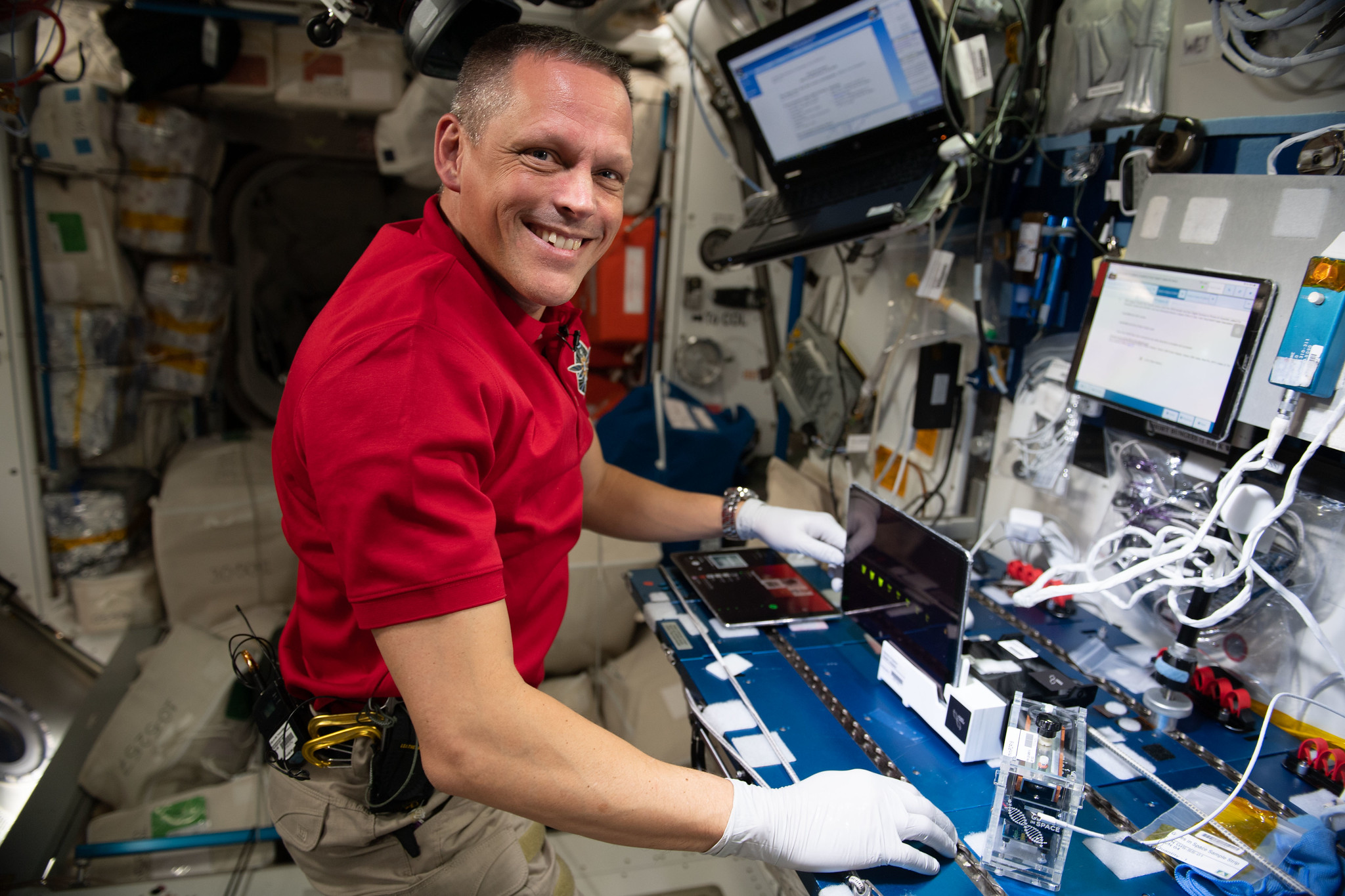
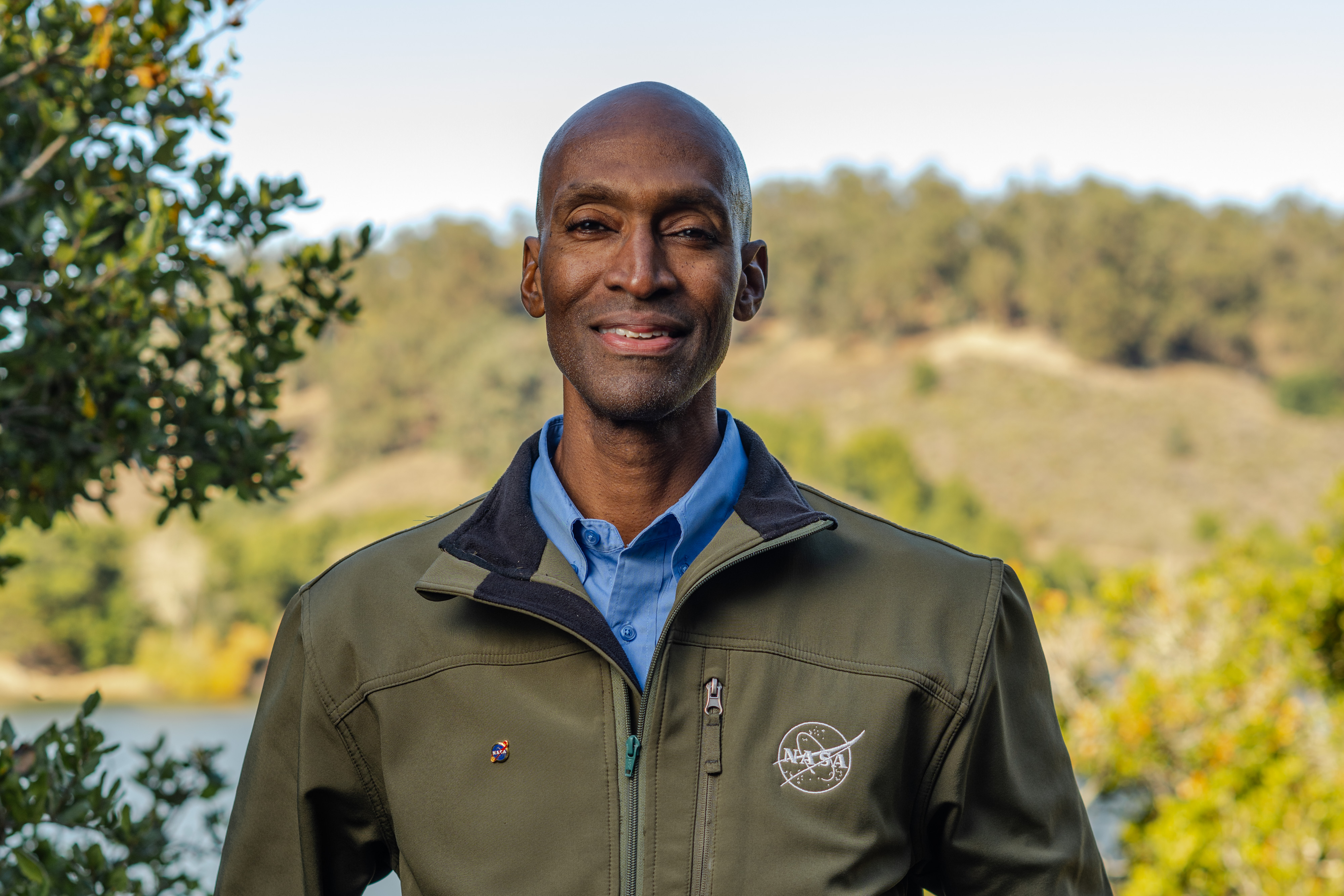
"... Being able to see the world from a different perspective is incredible, and getting to fly in space was the culmination of that, seeing the world from an entirely new vantage point." — Bob Hines, Astronaut, NASA's Johnson Space Center via NASA https://ift.tt/mxgCPd7
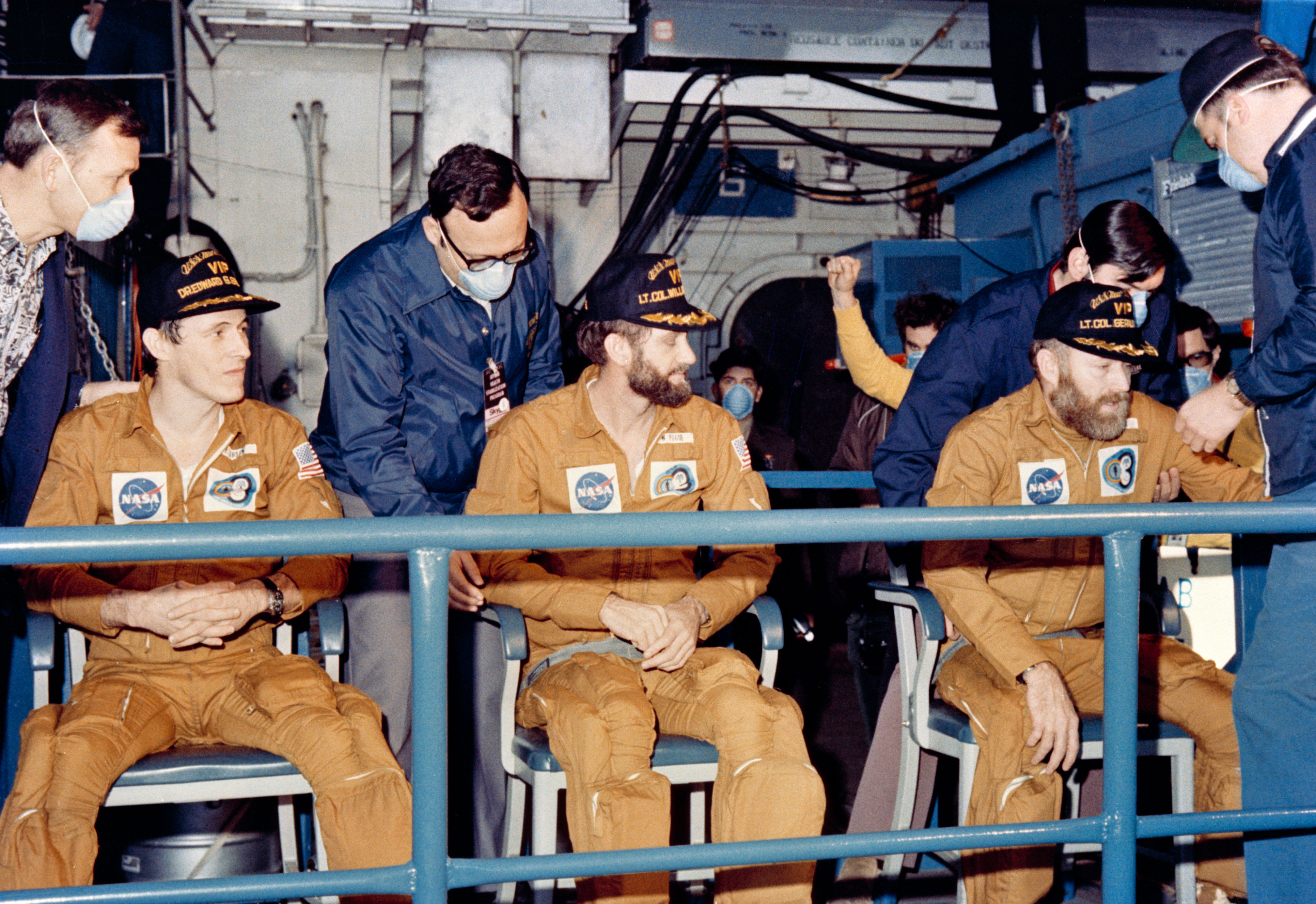
The crewmen of the third and final manned Skylab mission relax on the USS New Orleans, prime recovery ship for their mission, about an hour after their Command Module splashed down at 10:17 a.m. (CDT), Feb. 8, 1974. The splashdown, which occurred 176 statute miles from San Diego, ended 84 record-setting days of flight activity aboard the Skylab space station cluster in Earth orbit. via NASA https://ift.tt/Foc7Y1H
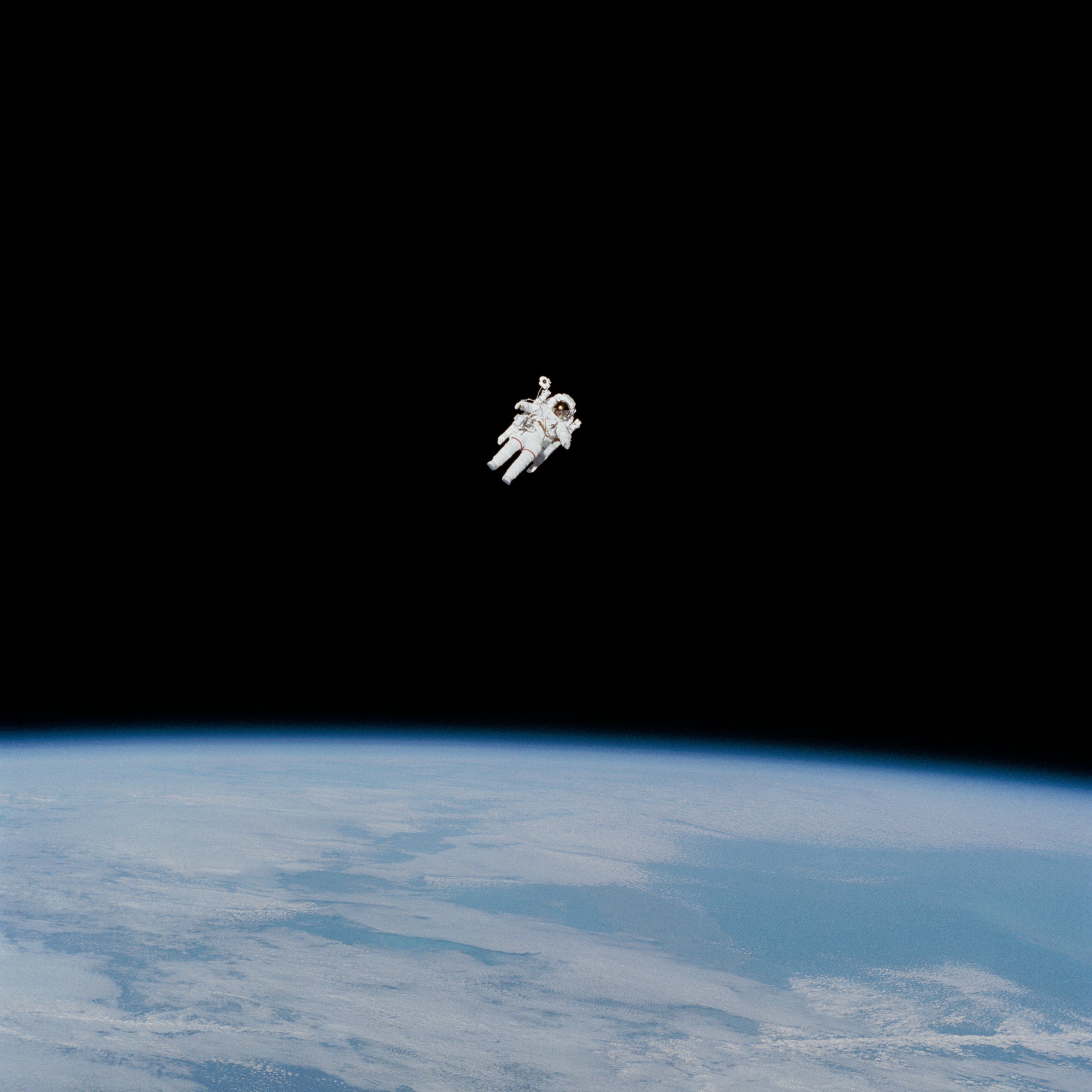
Astronaut Bruce McCandless II approaches his maximum distance from the Earth-orbiting Space Shuttle Challenger in this 70mm frame photographed by his fellow crewmembers onboard the reusable vehicle. McCandless is in the midst of the first "field" tryout of the nitrogen-propelled, hand-controlled back-pack device called the manned maneuvering unit (MMU). Astronaut Robert L. Stewart got a chance to test the same unit a while later in the lengthy EVA session while the two spacewalkers were photographed and monitored by their fellow crewmembers in Challenger's cabin. Those inside were Astronauts Vance D. Brand, Robert L. Gibson and Dr. Ronald E. McNair. via NASA https://ift.tt/oyKCU3r
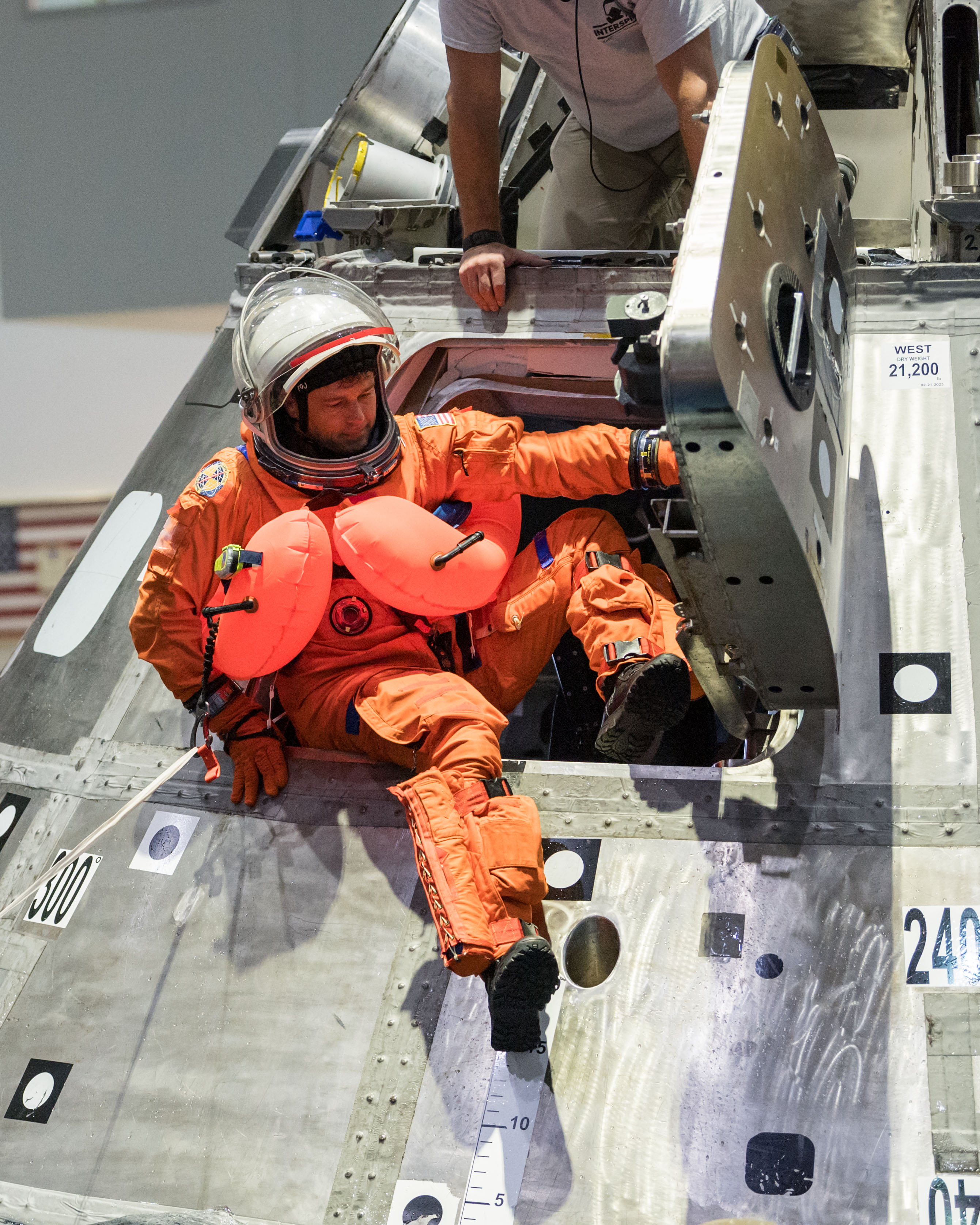
NASA astronaut and Artemis II commander Reid Wiseman exits the side of a mockup of the Orion spacecraft during a training exercise in the Neutral Buoyancy Lab at NASA’s Johnson Space Center in Houston on Jan. 23. As part of training for their mission around the Moon next year, the first crewed flight under NASA’s Artemis campaign, the crew of four astronauts practiced the recovery procedures they will use when the splash down in the Pacific Ocean. via NASA https://ift.tt/yTMKPmU
"... it's challenge, service, and building the future. If I don't do anything else in my entire life except for those three things, I'm at least getting something right. I might be getting everything else entirely wrong, but I can at least work toward those three things.” — Dr. Rodney Martin, Deputy Discovery and Systems Health Technical Area Lead, NASA’s Ames Research Center via NASA https://ift.tt/WlJIcCd
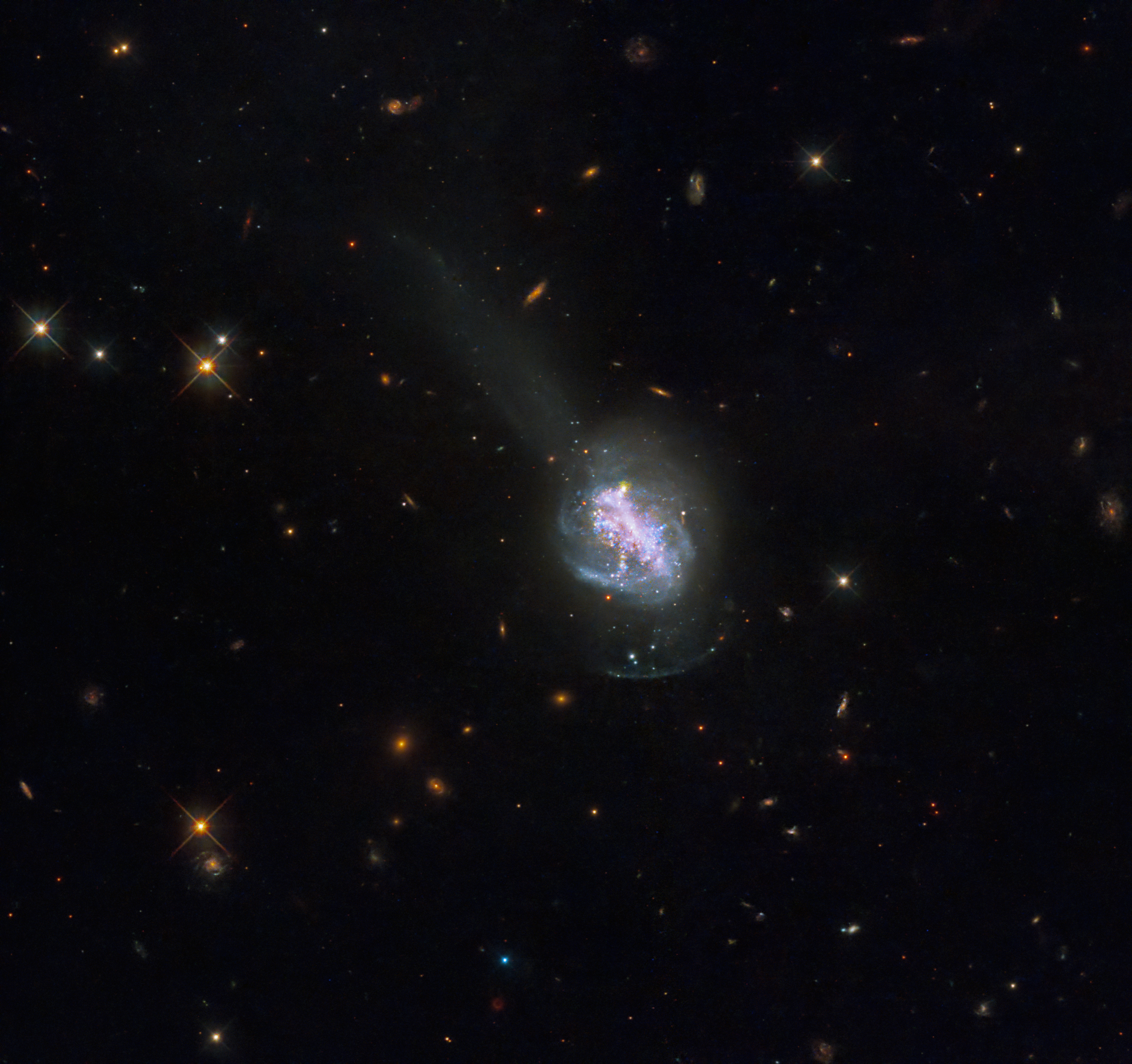
This new NASA Hubble Space Telescope image shows ESO 185-IG013, a luminous blue compact galaxy (BCG). BCGs are nearby galaxies that show an intense burst of star formation. They are unusually blue in visible light, which sets them apart from other high-starburst galaxies that emit more infrared light. via NASA https://ift.tt/StefsK3
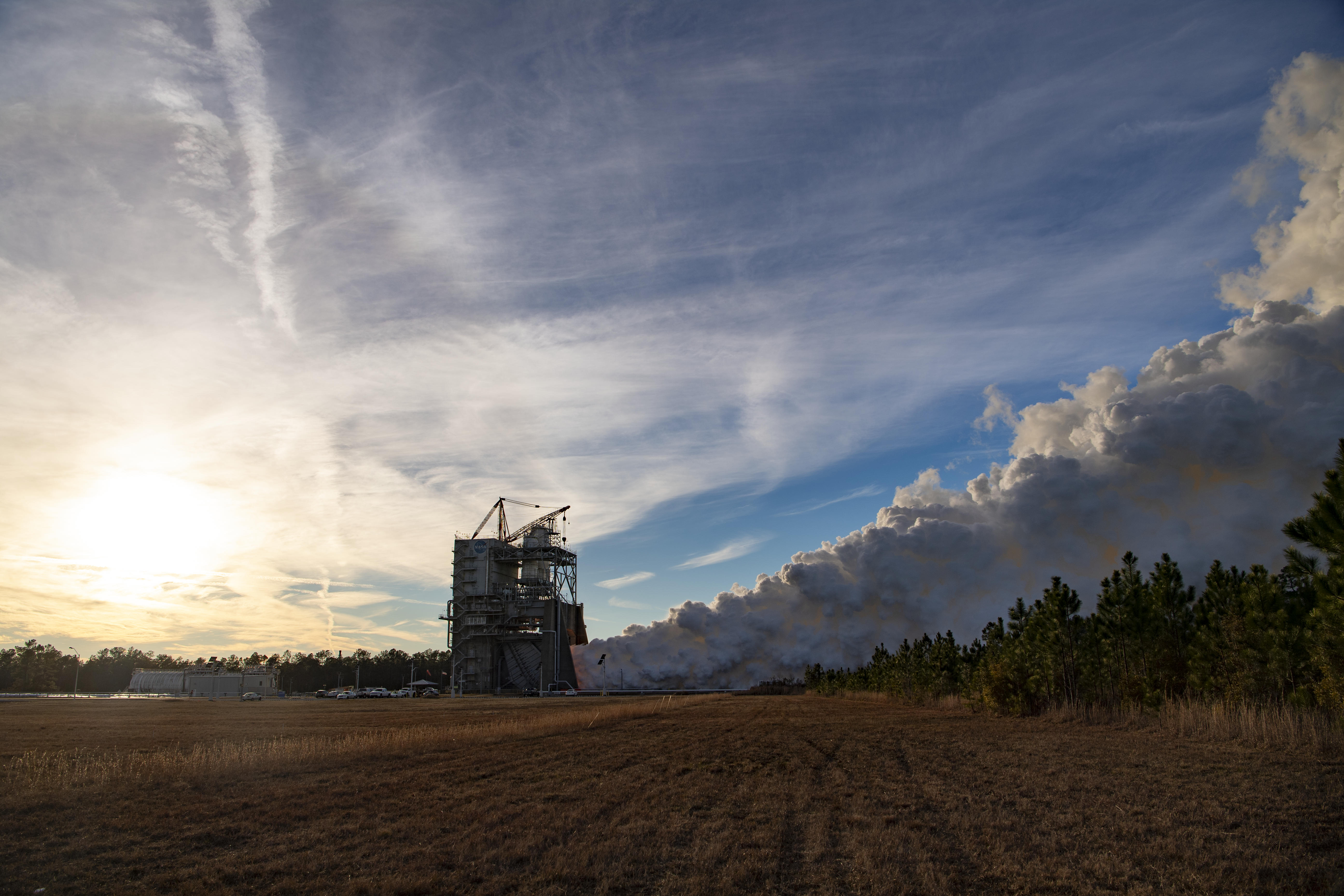
NASA completed a full-duration, 500-second hot fire of an RS-25 certification engine Jan. 17, continuing a critical test series to support future SLS (Space Launch System) missions to the Moon and beyond as NASA explores the secrets of the universe for the benefit of all. via NASA https://ift.tt/P9FlkuT